
Building and Pest Inspection Red Flags Buyers Should Not Ignore
Purchasing a property is a major financial commitment, making it essential to understand the details of a building and pest inspection report rather than relying only on the summary. Technical language can make serious structural defects, moisture problems or early signs of termite activity difficult to recognise, potentially leaving buyers exposed to costly repairs after settlement. Working with a buyers agent in Sydney can make it easier to recognise these warning signs and understand how they may affect the purchase. BMC Buyers Agency helps clients assess the risks before deciding whether to proceed.
The following sections explain the building and pest inspection red flags that deserve closer attention, why they matter and how they may affect a property’s safety, value and long-term potential. They also distinguish between issues that may be managed through routine maintenance and those that could justify further investigation, renegotiation or withdrawal from the purchase.
What a Building and Pest Inspection Report Actually Tells You
A building and pest inspection report is not a simple pass or fail certificate. It is a technical assessment of the property’s observable condition at the time of inspection, subject to the report’s stated scope, access limitations and exclusions.
Understanding what the report covers, what it does not cover and how the inspector describes different findings is critical to avoiding expensive surprises after settlement.
The report should identify visible defects, evidence of timber pests and conditions that may increase the likelihood of future damage. It should also note areas that could not be inspected, such as enclosed wall cavities, inaccessible subfloors, heavily furnished rooms or roof spaces with limited entry.
These access limitations can be as important as the defects themselves. A careful buyer should look beyond the summary and focus on:
Buyers can also begin identifying warning signs before making an offer by checking for visible cracking, moisture damage, uneven floors and poor maintenance during the open home.
- What the inspector directly observed
- What the inspector suspects may be present
- Which areas could not be assessed
- Whether further investigation was recommended
- Whether the report advises consulting another specialist
A building and pest inspection may identify warning signs involving electrical systems, plumbing, asbestos, roofing or structural movement, but it does not replace assessments by appropriately qualified electricians, plumbers, engineers, roofers, asbestos assessors or other specialists.
Why Moisture Readings and Pest Findings Matter
The pest component generally focuses on timber pests such as termites, wood borers and fungal decay. It may identify:
- Evidence of current activity, such as live termites or fresh mud leads
- Evidence of previous activity, including old damage or previously treated areas
- Conditions conducive to termite activity, such as poor drainage, leaking plumbing or timber in contact with soil
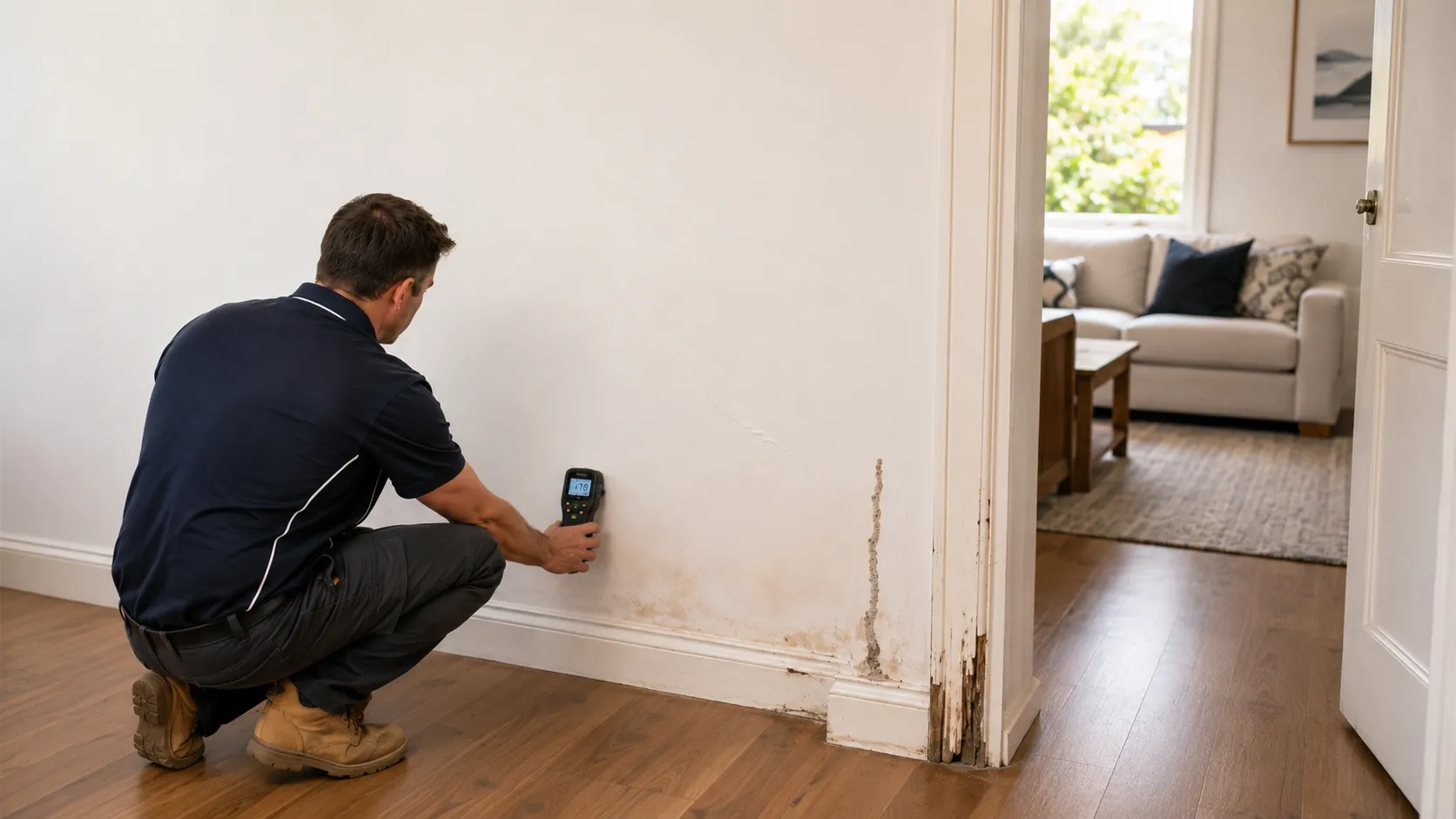
Reports may also include moisture meter readings around skirting boards, wet areas and other vulnerable locations. Elevated moisture can be associated with plumbing leaks, failed waterproofing or conditions that may conceal termite activity.
A high moisture reading next to a shower, for example, should prompt further investigation even when no termites are visible. It does not prove that termites or a major leak are present, but it indicates that the area requires closer assessment.
How Findings Are Rated
Many reports classify findings as minor defects, major defects or safety hazards.
Minor defects generally include maintenance and cosmetic issues such as deteriorated paint, loose door hardware or small areas of damaged trim.
Major defects may affect the property’s structural performance, weatherproofing or usability. Examples can include significant foundation movement, widespread roof leaks, decayed framing or severely corroded structural components.
Safety hazards identify conditions that may place occupants or visitors at immediate risk. These should be assessed promptly regardless of the property’s cosmetic condition.
Major defects and safety hazards generally justify further specialist investigation before the buyer makes an unconditional commitment.
Structural Movement, Cracking and Uneven Floors
Structural movement and cracking are among the most important findings in a building inspection because they may indicate foundation movement, drainage problems or stress within the building.

Some cracking is common and may be caused by normal settlement, material shrinkage or minor seasonal movement. The concern increases when cracks are widespread, growing or associated with other signs of distortion.
Cracks, uneven floors and sticking doors may result from:
- Changes in soil moisture
- Inadequate site drainage
- Poorly compacted ground
- Deteriorated or inadequate footings
- Substandard alterations
- Long-term neglect
These issues may be more noticeable in areas with reactive clay soils, where changes between wet and dry conditions can place ongoing pressure on foundations.
Cracks That Deserve Closer Attention
Hairline plaster cracks around cornices, paint joints or internal corners are often caused by minor movement or shrinkage. They may still require maintenance, but they do not necessarily indicate serious structural failure.
More concerning findings include:
- Horizontal or stepped cracks in brickwork
- Cracks that appear to be widening
- Cracks with fresh, sharp edges
- Cracks that reopen after being repaired
- Cracking in several areas of the property
- Cracks that are wider at one end than the other
- Separation between walls, ceilings, floors or external masonry
Crack width alone does not determine whether movement is structural. The location, pattern, age and surrounding distortion all need to be considered.
Buyers should be particularly cautious when cracking is accompanied by jammed windows, doors that no longer sit square, gaps around frames or visibly sloping floors. This combination may indicate ongoing movement rather than a cosmetic defect.
Uneven Floors and Subfloor Red Flags
Uneven, springy or bouncy floors can indicate problems in both slab and timber-floored homes.
In a concrete slab property, warning signs may include:
- Noticeable slopes or a rolling sensation underfoot
- Cracked floor tiles
- Separation between skirting boards and flooring
- Doors that swing open or closed by themselves
- Cracking through multiple internal finishes
These signs may be associated with slab heave, subsidence, poor drainage or movement in the supporting soil.
In homes with suspended timber floors, warning signs include:
- Springy or spongy areas
- Floors that slope noticeably
- Furniture or doorframes that appear to lean
- Sagging through the centre of rooms or hallways
- Movement or vibration when walking across the floor
Where the subfloor is accessible, it should be checked for rotted bearers or joists, termite damage, inadequate stumps or piers, poor ventilation and structural members that are not bearing correctly on their supports.
Decayed or inadequately supported structural members can cause ongoing movement and require substantial rectification work.
When Structural Movement Becomes a Major Concern
Structural movement does not automatically mean a property should be rejected. However, significant or unexplained movement should be assessed by a qualified structural engineer before purchase.
Potential rectification may include:
- Drainage improvements
- Replacement or adjustment of stumps
- Re-levelling of floors
- Repairs to framing or masonry
- Foundation stabilisation
- Underpinning in more serious cases
Particular caution is warranted where the report identifies widespread cracking, repeated adjustment of doors and windows, recent cosmetic patching over significant cracks or water pooling around the foundations.
The combined extent of the damage, uncertainty around the cause and likely repair cost should guide the buyer’s decision.
Water Damage, Drainage and Moisture Problems
Water-related defects can be among the most disruptive problems a buyer inherits. Even limited staining or a persistent musty smell may indicate concealed leaks, failed waterproofing, timber decay, mould or conditions that attract termites.
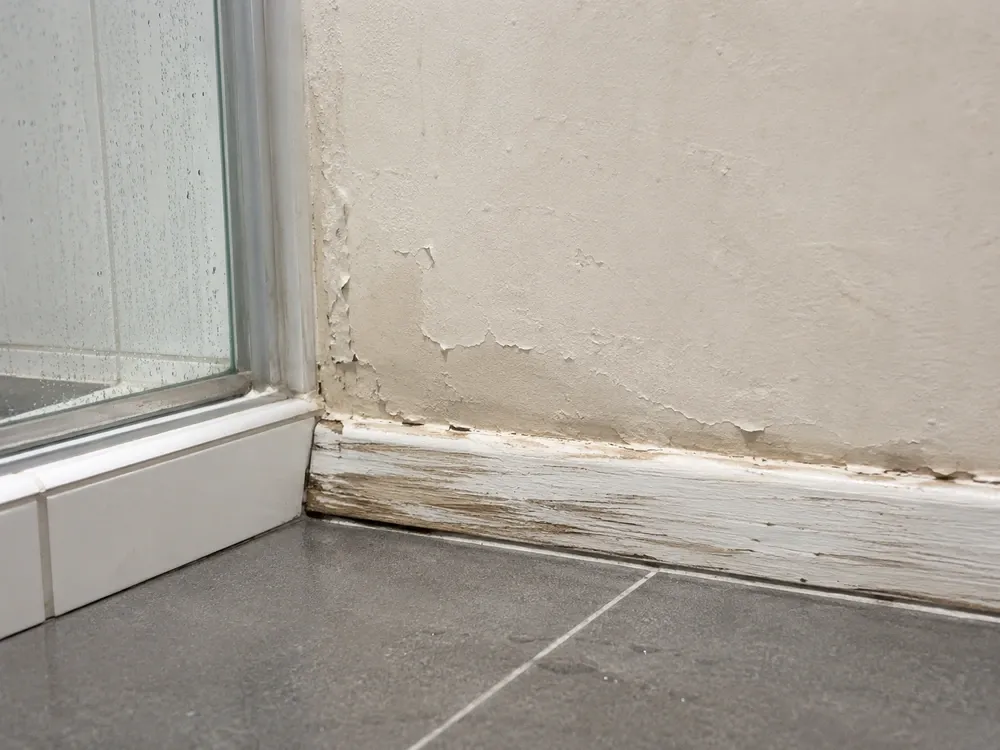
Building and pest reports that identify water ingress, drainage concerns or elevated moisture should not be dismissed as purely cosmetic.
Understanding the likely source of the moisture can help determine whether the issue is historic, ongoing or likely to worsen.
Visible Signs of Water Ingress
Staining, bubbling or peeling paint on ceilings and walls usually indicates that moisture has entered the building or escaped from a plumbing system.
Yellow or brown marks around ceiling fittings, roof junctions or external walls may be associated with:
- Roof leaks
- Failed flashing
- Damaged gutters
- Plumbing leaks
- Poor external sealing
- Condensation
Soft or swollen plaster, flaking paint and damaged skirting boards may indicate prolonged exposure rather than a single isolated event.
In bathrooms and laundries, warning signs include:
- Cracked grout
- Loose or drummy tiles
- Swollen doorframes or skirting boards
- Persistent mould
- Soft flooring near wet areas
- Moisture readings outside the expected waterproofed zone
Persistent mould on a bathroom ceiling may be caused by inadequate ventilation, but it can also indicate ongoing moisture that requires further investigation.
Floors can reveal additional problems. Cupped or warped timber boards, spongy areas near external doors and swelling around frames may indicate prolonged water exposure.
Within subfloors, buyers should pay attention to dark staining, fungal decay, damp insulation, corrosion to metal components and visible moisture on structural timbers.
Drainage and Site Water Management
External drainage problems often contribute to internal moisture and foundation movement.
Poor site fall that directs water towards the building, blocked drains or inadequate stormwater systems may allow water to pool against walls and slab edges.
Inspectors may also identify:
- High soil or paving levels against external walls
- Garden beds covering damp-proof courses
- Missing or damaged downpipes
- Overflow marks beneath gutters
- Erosion around stormwater outlets
- Retaining walls with limited drainage
- Water ponding near foundations
High ground levels can allow moisture to enter masonry and may create concealed termite entry points.
Retaining walls that are bulging, cracking or lacking visible drainage may be holding back water as well as soil. Further assessment may be needed to determine whether repair, replacement or improved drainage is required.
Correcting site drainage can involve relatively simple gutter maintenance, but more substantial work may require excavation, regrading, retaining-wall repairs or new stormwater infrastructure.
Dampness, Mould and Subfloor Moisture
Persistent musty odours or visible mould inside wardrobes, on ceilings or across walls suggest ongoing moisture and inadequate ventilation.
Mould should not be treated only as a surface-cleaning issue. The source of moisture needs to be identified and corrected before affected materials can be properly repaired. NSW Health guidance on mould and dampness also emphasises controlling the moisture source and properly drying affected materials.
In properties with a subfloor, concerns may include:
- Elevated moisture readings
- Condensation
- Fungal decay
- Damp soil
- Efflorescence on masonry
- Blocked or inadequate vents
- Plumbing leaks
- Stored materials restricting airflow
Poor ventilation can trap humidity beneath the property, accelerate timber decay and create conditions conducive to termite activity.
Where a report refers to elevated moisture readings or evidence of rising damp, buyers should seek clarification about the location, severity, likely cause and recommended remediation.
Termite Activity, Timber Damage and Pest Risk
Termites and other timber pests can damage a property without obvious external signs. Evidence of live activity, historic damage or conditions conducive to attack should be treated as significant risk factors.
A report that mentions termites, borers or fungal decay needs careful review. The type of pest, location and extent of the damage, and the control measures already in place will influence repair costs and the property’s future risk profile.
Signs of Termite and Timber Pest Activity
Inspectors generally look for a combination of visible damage and subtle indicators.
Red flags may include:
- Live termites in building timbers, fences or landscaping
- Active mud tubes or leads on walls, stumps or brickwork
- Hollow-sounding skirting boards, architraves or window frames
- Fine waste material associated with wood borers
- Damaged flooring, joists, bearers or roof timbers
- Previous treatment points or repaired areas
- Moisture problems near timber structures
Internal damage often begins in concealed locations. References to affected wall framing, floor joists, subfloor supports or roof timbers indicate a potentially structural issue rather than a cosmetic repair.
External conditions also matter. Timber retaining walls, old tree stumps, landscaping sleepers, stored timber and garden beds built against the house may increase the risk of concealed entry.
Understanding the Level of Structural Risk
Not all timber damage has the same effect.
A small section of damaged skirting may be inexpensive to replace. The concern increases when the report repeatedly uses terms such as extensive, widespread, severe or structural.
Serious warning signs include:
- Damage to load-bearing or primary structural elements
- A recommendation for structural engineering advice
- A recommendation for invasive inspection
- Known termite activity near inaccessible areas
- Extensive damage with no clear repair history
- Evidence of untreated or recurring activity
Historic termite damage described as inactive at the time of inspection should not automatically be dismissed.
Old workings indicate that termites have previously entered the property. Buyers should determine whether the area was professionally treated, whether damaged timbers were replaced and whether ongoing inspections or monitoring have been maintained.
Treatment History and Future Risk
A documented termite management system can reduce future risk, but it does not guarantee that activity will not return. Buyers should establish whether the property has a documented termite risk management system and what ongoing inspections or maintenance it requires.
Buyers should ask for information about:
- The type of treatment or management system
- The date of installation or treatment
- The company that performed the work
- Warranty conditions
- Inspection and maintenance requirements
- Previous activity and repair records
Missing or outdated documentation may justify further investigation, particularly where the property is close to bushland, has extensive landscaping or contains timber structures near the soil.
When immediate termite treatment or invasive investigation is recommended, the property should be treated as higher risk until the extent of the activity and structural damage is better understood.
Roof Damage and Major Repair Concerns
Roof defects can lead to substantial repair costs when they affect weatherproofing or the supporting structure.
Buyers should pay close attention to roof-related comments because problems may allow water to enter concealed spaces long before visible internal damage appears.
Roof Defects Inspectors Commonly Identify
Common findings include:
- Cracked, broken or missing roof tiles
- Rusted or loose metal roofing
- Damaged flashings
- Deteriorated pointing around ridge capping
- Overflowing or poorly aligned gutters
- Inadequate roof pitch
- Ponding on low-pitched or flat roofs
- Poorly designed or deteriorated box gutters
- Evidence of recurring leaks
An ageing roof may represent a foreseeable capital expense, particularly where the report also identifies corrosion, broken materials, failed flashings or recurring water ingress.
Roof age alone does not prove that replacement is required. The condition of the materials, quality of installation, maintenance history and surrounding environment should also be considered.
Structural Concerns Above the Ceiling Line
Structural issues within the roof space carry greater risk than isolated surface defects.
Warning signs include:
- Rotting or termite-damaged rafters and trusses
- Sagging ridgelines
- Bowing roof planes
- Cracked or cut truss members
- Inadequate supports
- Alterations that do not appear professionally completed
- Long-term water damage around framing
References to deflection or sagging should be investigated carefully. These findings may result from overloading, alterations, inadequate construction or prolonged leaks.
Unapproved or poorly executed modifications in the roof cavity can also compromise the original structural design. A structural engineer may need to assess the roof before the buyer proceeds.
When Roof Findings Should Affect the Purchase
General wear is common, particularly in older properties. The concern increases where the report identifies widespread material failure, chronic leaking, extensive corrosion or structural movement.
Buyers should obtain written advice or quotations from appropriately licensed roofing contractors or structural professionals where significant works are likely.
The expected cost, urgency and disruption of the repairs can then be considered as part of the overall purchase decision.
Electrical, Plumbing and Other Safety Concerns
Building inspectors may identify visible electrical, plumbing and safety concerns, but detailed testing generally requires licensed specialists.
This is particularly important in older homes, properties with undocumented renovations and buildings where visible work appears to have been completed by unqualified people.
Electrical Defects That Require an Electrician
Common electrical warning signs include:
- Old or overloaded switchboards
- Porcelain or rewireable fuses
- Limited safety-switch protection
- Exposed or deteriorated wiring
- Mixed wiring types
- Signs of unprofessional alterations
- Burn marks around outlets or fittings
- Warm power points or switches
- Flickering lights in several rooms
- Extension leads used as permanent wiring
Cloth-covered or deteriorated rubber-insulated wiring also requires specialist assessment because older insulation can become brittle.
A licensed electrician can assess the switchboard, earthing, safety switches, visible wiring and overall condition of the installation. The electrician can then advise whether repairs, a switchboard upgrade or more extensive rewiring should be considered.
Plumbing Problems That Need a Licensed Plumber
Plumbing defects may remain concealed until the system is tested more thoroughly.
A report that mentions low water pressure, slow drainage, water staining, corrosion or recurring moisture should prompt further assessment.
A licensed plumber may recommend:
- Water-pressure testing
- Leak detection
- Sewer camera inspections
- Drainage assessments
- Inspection of hot water systems
- Testing of fixtures and valves
Other red flags include:
- Repeated repairs around wet areas
- Musty odours near cupboards or skirting boards
- Dampness or efflorescence on masonry
- Corroded pipes or fittings
- Slow or noisy drains
- Ageing galvanised pipework
- Evidence of root intrusion into sewer lines
Older clay sewer pipes may be vulnerable to cracking and root intrusion. Depending on the condition and access, repairs may involve excavation, localised replacement or pipe relining.
Other Safety Issues Requiring Specialist Assessment
Some risks sit outside the normal scope of a building and pest inspection.
These may include:
- Suspected asbestos-containing materials
- Inadequate or deteriorated balustrades
- Unsafe stairs or handrails
- Pool barriers that may not meet applicable requirements
- Missing, outdated or poorly located smoke alarms
- Structurally unsound decks, balconies or garages
A reference to possible asbestos-containing material should be followed by advice from an appropriately qualified asbestos professional. Visual observation alone may not confirm whether a material contains asbestos.
Concerns about balustrades, stairs, decks or retaining structures may require advice from an engineer, builder or compliance professional.
How Buyers Should Respond to Serious Red Flags
Serious findings do not automatically mean a buyer should walk away. They do require a calm process for understanding the problem, estimating the likely cost and deciding whether the property still represents acceptable value.
The appropriate response may involve further investigation, renegotiation, additional contract protection or withdrawal from the purchase.
Clarify the Findings
The inspection report is a starting point rather than the final diagnosis.
Buyers should contact the inspector promptly and ask targeted questions about:
- The likely cause of the defect
- The estimated extent of the affected area
- Whether the issue appears active or historic
- Whether access limitations prevented a complete assessment
- Which specialist should investigate further
- How urgently the issue needs to be addressed
Broad comments should be converted into specific information wherever possible.
Obtain Independent Advice and Costings
Written quotations from qualified trades and specialists provide a more reliable basis for decision-making than rough estimates.
Depending on the findings, advice may be required for:
- Foundations and structural framing
- Roofing and weatherproofing
- Drainage and moisture rectification
- Termite treatment and timber replacement
- Electrical upgrades
- Plumbing and sewer repairs
- Retaining walls or external structures
For substantial work, obtaining more than one quotation can help buyers understand the realistic cost range and whether the proposed repair approach is appropriate.
A property requiring clearly defined repairs may still represent good value. However, extensive structural work, uncertain damage or multiple interacting defects may significantly change the financial case for proceeding.
Use the Findings to Renegotiate
Once the likely repair costs are understood, buyers can consider whether the property remains attractive at the agreed price.
Possible responses include negotiating a lower purchase price, requesting an extension for further investigation or asking the vendor to complete clearly defined work before settlement.
Where vendor repairs are proposed, the agreement should be reviewed and documented by the buyer’s solicitor or licensed conveyancer. The scope should clearly state:
- What work will be completed
- Who will perform it
- Which products or materials will be used
- When the work must be completed
- What certificates, warranties or evidence will be supplied
Verbal assurances should not replace properly documented contractual arrangements.
Understand the Contract Position
A buyer’s right to renegotiate, extend a deadline or withdraw from a purchase depends on the contract terms and the stage of the transaction.
The available options may be affected by:
- Whether contracts have been exchanged
- Any cooling-off period
- Whether the property was purchased at auction
- Special building and pest conditions
- Due diligence deadlines
- The wording of any termination clause
Buyers should not assume that an unfavourable inspection report automatically creates a right to end the contract.
Any decision to rescind, terminate or issue formal notice should be handled promptly through the buyer’s solicitor or licensed conveyancer.
Know When Walking Away May Be Appropriate
Some findings can create more risk and uncertainty than the buyer is willing or financially able to accept.
These may include:
- Extensive structural movement
- Widespread termite damage
- Chronic water ingress
- Major unapproved structural alterations
- Severe deterioration across several building systems
- Safety defects requiring urgent and extensive work
- Damage that cannot be fully assessed before the contractual deadline
The decision should be based on the combined repair cost, uncertainty, future maintenance burden and effect on the property’s value.
Walking away from a high-risk property is not a failed purchase. It can be the outcome of a disciplined due diligence process that protects the buyer’s finances and leaves them free to pursue a more suitable home or investment.
Making a Confident Property Decision
Building and pest inspections are one of the most effective ways to identify costly defects and long-term property risks before settlement. Warning signs should be investigated rather than overlooked, but not every defect automatically makes a property unsuitable.
The key is to separate routine maintenance from serious structural, moisture, pest and safety concerns, then obtain qualified advice and realistic repair costings before making a final decision.
With careful due diligence and experienced guidance, BMC Buyers Agency helps clients assess risks, negotiate from an informed position and secure Sydney homes or investment properties with greater confidence.
Ready to take the first step?
Contact BMC Buyers Agency today and embark on your property journey with us.

