

What to Look for at an Open Home in Sydney
Stepping into an open home can feel both exciting and overwhelming. In a fast-moving market, a short inspection can heavily influence a major financial decision, which is why it is important to look beyond first impressions. As a buyers agent in Sydney, BMC Buyers Agency understands how easily fresh paint and clever styling can distract from a property’s true condition, layout and liveability. The surrounding street and suburb also deserve close attention, as they can affect day-to-day comfort, future resale and long-term value just as much as the home itself.
This article explains what experienced buyers look for from the moment an open home begins. It outlines how to assess condition and layout, spot costly warning signs and evaluate noise, privacy, parking and the surrounding neighbourhood. It also looks at why a checklist can help buyers stay objective and compare properties more effectively.
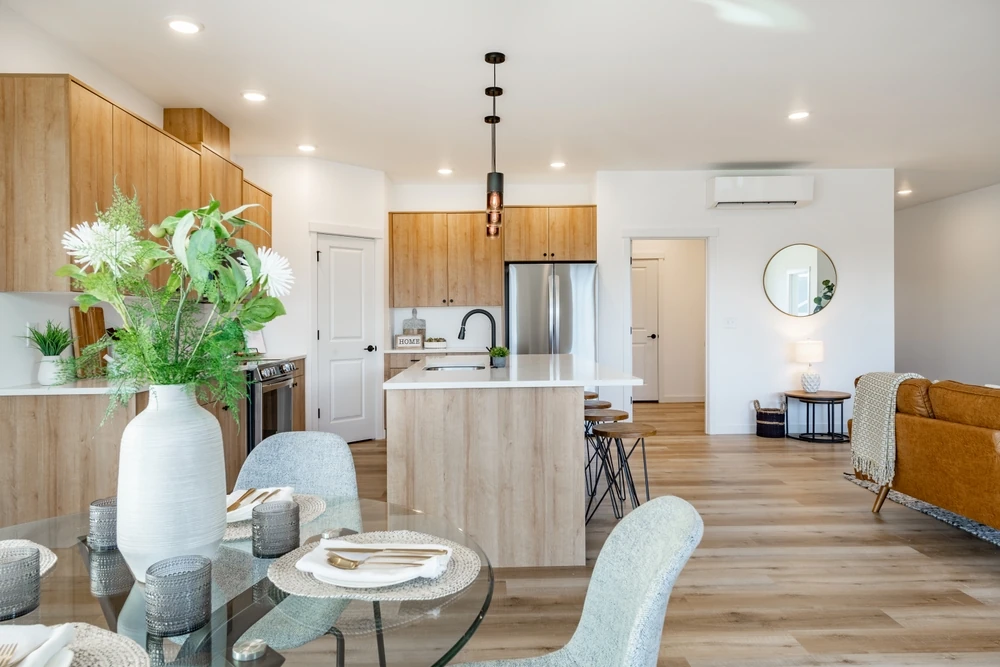
Looking Beyond Styling and Staging
Open homes are often styled to create emotional appeal and shift attention away from flaws. Furniture, artwork and soft furnishings can make rooms feel larger, brighter and more functional than they really are. Buyers need to look past the presentation and focus on the features that will still matter once the property is empty.
The goal is to assess the things that cannot be easily changed, including layout, natural light, ventilation, storage, noise and visible signs of damage or poor maintenance. Styling is temporary. The fixed qualities of the property are what shape liveability and future costs.
Focus on What Is Fixed, Not What Is Furnished
Styling can distort how spacious and practical a room feels. Instead of being guided by the furniture arrangement, pay attention to actual floor space, ceiling height and the way the room functions. Try to judge whether standard furniture would fit comfortably and whether there is enough room to move through the space without compromise.
Window size and placement also matter more than décor. Good natural light can improve comfort and resale appeal, while poorly positioned windows, overshadowing or dark internal rooms may affect the property every day. In kitchens and bathrooms, look at the layout rather than the finishes. Changing tapware or surfaces is relatively straightforward, but altering plumbing or fixing a poor layout is far more difficult and expensive.
Check Construction Quality and General Condition
Look carefully for signs that suggest more than cosmetic wear. Cracks wider than a hairline, particularly around windows, doors and corners, may indicate movement. Bubbling paint, stains on ceilings or discoloured skirting boards can suggest water ingress or past leaks. Mould, musty smells and poor ventilation should also raise questions, especially in bathrooms and around external walls.
Pay attention to flooring as well. Uneven surfaces, sloping floors or doors that do not close smoothly can point to movement or wear that deserves further investigation. In apartments, listen for noise transfer from neighbouring lots and shared areas. Outside, rusting balustrades, cracked tiles, deteriorating mortar or patched render may indicate repairs and maintenance costs that are not immediately obvious.
Notice the Practical Issues Styling Can Hide
A property may photograph well and still be frustrating to live in. Storage is a common example. Styled homes rarely show the reality of everyday belongings, so open wardrobes, cupboards and linen presses and think about how the space would function in daily use.
It is also worth standing still and listening. Traffic, neighbouring activity, nearby venues and construction noise are often far more noticeable in person than they appear in a listing. Open and close windows to gauge both sound insulation and airflow. In warmer months, poor ventilation can make a property uncomfortable regardless of how attractive it looks during a short inspection.
Checking for Signs of Damage or Poor Maintenance
A quick inspection can hide serious issues if attention stays on presentation alone. Buyers need to look for clues that suggest deeper problems, particularly those involving structure, water ingress or long-term neglect. Spotting these issues early can help avoid wasted time, emotional overcommitment and expensive surprises after settlement.
A building and pest inspection remains essential, but there is real value in identifying red flags at the open home stage. It helps buyers decide whether a property is worth pursuing further or whether caution is needed before making an offer.
Structural Clues and Signs of Movement
Some minor cracking is normal, particularly in older homes, but certain patterns deserve closer attention. Diagonal cracks above doors and windows, stepped cracks in brickwork and noticeable gaps between skirtings and floors can all suggest movement rather than simple surface shrinkage.
Doors and windows that stick, swing shut on their own or sit unevenly in their frames may also point to shifting. Outside, look for leaning fences, cracked retaining walls, uneven paving and isolated render repairs. When several of these signs appear together, they may indicate a broader structural issue that should be assessed more carefully.
Water Ingress and Moisture Problems
Water damage is one of the most common and costly problems buyers overlook. Inspect ceilings for stains, bubbling paint and faint brown marks, particularly near bathrooms, chimneys and flat roof sections. In wet areas, look for cracked grout, swollen trims, mould growth, lifting finishes and soft flooring near showers, baths and toilets.
Under sinks and inside cupboards, check for staining, damp smells or swollen cabinetry. Outside, look at gutters, downpipes and drainage paths. Rust, overflow marks, missing downpipes or pooling water near the building can all signal drainage issues that may affect walls, slabs or subfloors over time.
General Maintenance and Signs of Neglect
Worn finishes alone are not always a problem, but widespread neglect usually points to larger issues. Peeling paint, rotting timber, rusted balustrades, cracked fittings and loose hardware suggest the property has not been maintained consistently. Small signs of neglect can also indicate that larger systems and structures may have been ignored.
In strata properties, common areas matter too. Water damage, worn carpets, peeling paint and tired shared spaces can indicate deferred maintenance at a building level. Buyers should also pay attention to signs that odours or moisture may be being disguised, such as heavy air freshener use, open windows on a cold day or dehumidifiers running during inspections.
Assessing Layout, Natural Light and Ventilation
Layout, light and airflow have a major effect on how comfortable a property feels once the excitement of the inspection has passed. These factors are often harder and more expensive to improve than buyers first assume, which makes them worth assessing carefully from the beginning.
A well-styled home can still have awkward circulation, dark internal areas or poor ventilation. Looking at how the property actually works is just as important as looking at how it presents.
Evaluating Layout and Flow
Start at the entry and move through the property naturally. Notice whether the connection between living areas, kitchen, bedrooms and outdoor space feels practical or awkward. Narrow hallways, blocked walkways, poorly placed doors and wasted transition spaces can all affect how a home feels to live in.
Room relationships matter as much as room size. A modest home with a practical layout often feels better day to day than a larger one with disconnected or poorly planned spaces. Try to imagine standard furniture in each room rather than relying on the display setup. If a room only works because the styling is minimal or unusually scaled, that may be a sign the layout is tighter than it first appears.
Checking Natural Light and Airflow
Natural light should be judged independently of artificial lighting. If possible, note how much daylight reaches the main living areas and bedrooms and whether nearby buildings, balconies or trees block light. A home that feels dim in the middle of the day may be far less appealing in regular use.
Ventilation is especially important in Sydney’s climate. Open windows or doors where possible and see whether air actually moves through the home. Cross-ventilation is a major advantage, while stale air, damp smells or sealed-up rooms may indicate the property relies heavily on mechanical cooling. In apartments and tightly built inner-city homes, limited airflow can affect comfort and increase running costs over time.
Noticing Noise, Privacy and Street Conditions
Noise, privacy and street character can have a major impact on liveability, yet they are easy to overlook during a short inspection. These are also the kinds of issues that are difficult to change once a property is purchased, which makes early observation especially important.
A property may look appealing inside while still being exposed to road noise, overlooking or a difficult street environment. Taking the time to assess the setting properly can prevent later disappointment.
Assessing Noise Inside and Outside
Before going in, stop and listen from the street. Notice traffic, buses, motorbikes, aircraft, trains, nearby venues or building works. Once inside, stand quietly in bedrooms, living rooms and any area that might be used as a study or workspace. It is often easier to judge intrusive noise once the initial distraction of the inspection has passed.
Open and close windows to see how much sound carries through. Single glazing near busy roads or transport corridors may be a sign of ongoing noise exposure. In apartments and townhouses, shared driveways, visitor parking areas and adjoining balconies can also create regular disturbance that should not be overlooked.
Checking Privacy From Neighbours and the Street
Privacy is another factor that can be disguised by styling and selective photography. From each main room, look out and assess exactly what can be seen into the property and from where. Pay particular attention to bedroom windows, bathrooms, balconies and outdoor spaces that face neighbouring homes or public areas.
In more compact suburbs and newer developments, direct sightlines between properties are common. A home can feel open during an inspection but much less comfortable once daily life begins. Privacy screens, fences and landscaping can help in some cases, but poor privacy is not always easy to fix.
Evaluating Street Conditions
Street conditions affect everyday convenience as well as resale appeal. Walk up and down the street if possible and look at road width, parking pressure, traffic flow and the general upkeep of surrounding properties. Busy through roads, difficult parking and a lack of visual care in neighbouring homes can all influence how the property feels over time.
It also helps to note nearby schools, transport routes, commercial activity and whether the street is likely to become congested at certain times. A property’s value is shaped not just by the home itself but by the quality and functionality of its immediate setting.
Checking Storage, Parking and Outdoor Practicality
Storage, parking and outdoor use often have a major effect on daily life, particularly in Sydney where space is limited and convenience carries real value. These features are easy to under-assess during an inspection because they are less eye-catching than kitchens or living areas, but they often determine how practical the property really is.
A good inspection goes beyond counting cupboards or glancing at a garage. Buyers should think about whether the home can support everyday living without creating constant compromise.
Storage That Works in Real Life
The issue with storage is not just how much there is, but how usable it is. Open built-ins, pantries and linen cupboards and check their depth, access and internal layout. Storage that is too shallow, badly located or awkward to reach may be far less useful than it first appears.
Think about where everyday items would actually go, including suitcases, cleaning supplies, sports gear, prams, bikes or seasonal clothing. In apartments, check whether there is a storage cage on title and whether it is secure and dry. In freestanding homes, assess under-house or roof storage for dampness, safe access and general usability.
Parking, Access and Everyday Convenience
Parking should be assessed realistically, not assumed. If there is a garage or car space, consider whether it would comfortably suit the type of vehicle likely to be used. Tight access, difficult turning circles and awkward columns can reduce the practical value of a nominally secure parking space.
Street parking also deserves attention. Check signage, ask about permit requirements and look at actual parking availability during the inspection period. In busy areas, competition for parking can affect both liveability and buyer appeal, particularly where nearby schools, cafés or transport hubs increase pressure on local streets.
Outdoor Areas That Are Actually Usable
Outdoor space should be assessed by function rather than size alone. A courtyard, balcony or garden may look attractive in photos, but the real question is whether it offers privacy, reasonable sunlight and enough usable area for everyday needs.
Check surfaces underfoot for movement, ponding, cracked tiles or signs of deterioration. Look at fencing, gate condition and whether the space would comfortably support dining, drying clothes or family use without feeling cramped. In Sydney, aspect matters too. A balcony or courtyard with poor light or intense western exposure may be less useful than it first appears.
Paying Attention to the Wider Neighbourhood
An open home is not only about the dwelling itself. The surrounding area can influence day-to-day convenience, tenant demand, future resale and long-term capital performance. Even a brief walk around the block can reveal things that a listing will never properly show.
This is especially important in Sydney, where street-by-street differences can be significant. Two properties in the same suburb can offer very different levels of amenity, transport access, noise exposure and future growth potential.
Assessing the Immediate Surroundings
Start by looking at the neighbouring homes and general street presentation. Well-maintained properties, tidy verges and a sense of care often indicate a more stable environment. On the other hand, neglected facades, excessive rubbish, boarded windows or signs of heavy turnover can raise questions about the wider area.
Parking pressure, noise and activity levels should also be observed closely. The feel of a street can change significantly between a quiet inspection window and the rest of the week, so it can be worth revisiting if the property is a serious contender.
Proximity to Amenities and Transport
Convenience matters, but so does the quality of access. Rather than relying on listing descriptions, consider the actual walk to shops, transport, schools, parks and services. A short distance on paper may not feel convenient if the route is poorly lit, difficult to cross or unpleasant to walk.
Good access to everyday amenities often supports both liveability and resale, especially in Sydney. Buyers should think not only about what suits them personally, but also about what a broad future buyer pool is likely to value.
Why It Helps to Attend Open Homes With a Checklist
Walking into an inspection without a plan often means leaving with only a vague memory of the styling and general feel. A checklist helps direct attention to what matters most and reduces the chance of missing obvious problems in the moment.
It also makes it easier to compare properties viewed on the same day. Once buyers have seen several homes, details can blur together quickly. Written notes create a more objective basis for shortlisting and decision-making.
It Helps Keep Emotions in Check
A checklist creates structure. Instead of being led by atmosphere or presentation, buyers can work through the same practical questions each time. That helps prevent features like a renovated kitchen or attractive façade from overshadowing issues such as poor storage, bad noise exposure or awkward layout.
This more disciplined approach can also make it easier to walk away from a property that looks appealing but does not stack up practically.
It Creates Better Records for Comparison
Using the same checklist across multiple inspections gives buyers a more consistent way to compare options. This is particularly helpful when more than one person is involved in the decision and memories differ after a busy inspection day.
Clear notes also support stronger follow-up questions, better due diligence and more informed negotiation if the buyer decides to proceed. The inspection becomes less about instinct and more about evidence.
What matters at an open home goes well beyond presentation. A careful inspection should consider condition, layout, light, ventilation, noise, privacy, storage, parking and the quality of the surrounding street and neighbourhood. These are the factors that shape daily comfort, future costs and long-term appeal.
The more structured the inspection process is, the easier it becomes to separate emotional reaction from practical assessment. That gives buyers a stronger chance of choosing a property that not only looks good on the day, but also performs well over time.
Ready to take the first step?
Contact BMC Buyers Agency today and embark on your property journey with us.

