

What Should You Check in a Property Contract of Sale in NSW?
Buying property involves more than agreeing on a price. The Contract of Sale sets out the terms of the purchase, including the deposit, settlement date, inclusions, special conditions and restrictions affecting the property. Reviewing these details before signing can help identify costly issues before they become difficult to resolve.
For buyers navigating a competitive market, working with a buyers agent in Sydney can provide valuable support when assessing the contract and the property as a whole. Different areas to check include the title, easements, planning controls, disclosures, existing occupancy arrangements and cooling-off rights.
BMC Buyers Agency helps buyers assess these details before committing to a purchase, with a focus on identifying potential risks and ensuring the agreed terms are properly reflected in the contract. A careful review can provide greater confidence that the property, price and conditions align with the buyer's expectations.
Check the Purchase Price, Deposit and Settlement Details
The Contract of Sale should clearly state the purchase price, deposit, settlement date and conditions of the transaction. These details should be checked against the agreed offer to make sure there are no errors or unexpected changes before contracts are exchanged.
The financial and timing requirements should also align with the buyer's finance arrangements and available funds. Any negotiated changes should be included in the final contract rather than relying on verbal agreements or informal correspondence.
Check the Price
The purchase price should match the latest agreed offer, including any negotiated adjustments or seller incentives. Where GST may apply, the contract should clearly state whether the purchase price includes or excludes GST, with legal or tax advice obtained where necessary.
The inclusions and exclusions should also be reviewed. Items such as dishwashers, air conditioning units and window coverings should be clearly identified where they form part of the agreement.
Review the Deposit
A 10% deposit is common, although a lower amount may be negotiated. The contract should state the exact amount, payment date and method. Any reduced deposit arrangement should be formally included in the contract or special conditions.
If a deposit bond or bank guarantee is being used, check that the contract permits it and sets out any requirements. The consequences of late or incomplete payment should also be understood.
Check Settlement
Settlement is commonly 42 days after exchange, although the parties can agree to a different timeframe. The settlement date should work with finance approval and any other property transactions.
The contract should also be checked for provisions covering settlement extensions, penalty interest and adjustments for council rates, water charges and strata levies. Any special levies or rental arrangements applying at settlement should also be identified.
Review the Property Title, Easements and Restrictions
The Contract of Sale should clearly identify the property's ownership, title type and any legal rights or restrictions affecting the land. Reviewing these details can reveal issues that may affect access, renovations, development plans or everyday use.
A title search can also reveal mortgages, caveats, easements and covenants that may create obligations or limit how the property can be used. These details should be considered alongside the buyer's plans for the property.
Check the Title
Review the title search to confirm the registered proprietor, lot and deposited plan (DP) or strata plan number and the type of title.
The vendor named in the contract should match the registered proprietor and the lot and plan details should correspond with the property being purchased. Any registered mortgages or caveats should also be identified and addressed as part of the transaction.
Check Easements
Easements give another party certain rights over part of the property. Common examples include drainage and sewer easements, electricity services and rights of carriageway for shared access.
Check where each easement is located and whether it affects areas intended for a pool, extension, landscaping, parking or other works. A right of carriageway may also affect vehicle access or how parts of the property can be used.
Check Restrictions
Restrictive and positive covenants, including those recorded through section 88B instruments, can limit how land is developed or maintained. Restrictions may affect building design, materials, secondary dwellings, retaining walls or other uses.
For strata and community title properties, the relevant by-laws should also be reviewed. These may regulate renovations, pets, short-term letting and use of common areas. Any restriction that could affect the intended use of the property should be clarified with a solicitor or conveyancer.
Check Zoning, Drainage and Property Disclosures
Zoning, drainage and property disclosures can affect how a property is used, what can be built and what risks may need to be managed. Reviewing these details can reveal restrictions or costs that may affect the property's value and suitability.
The relevant certificates, plans and disclosures should be checked alongside the contract so potential issues can be identified before the buyer commits to the purchase.
Check Zoning
Check the section 10.7 planning certificate included with the contract for the property's zoning and key planning controls. The zoning should be suitable for the intended use, like a home business, dual occupancy or future redevelopment.
Development standards and constraints involving building height, floor space ratio, heritage, bushfire, flooding, conservation areas or other environmental risks should also be considered. Proposed planning changes may affect future development potential where relevant.
Check Drainage
Drainage and flooding can affect building plans, insurance and ongoing property costs. Review the sewerage diagram and any available survey or drainage plans for sewer mains, stormwater infrastructure, manholes and drainage easements.
References to flooding, overland flow or flood-prone land should also be considered, as these may result in additional building requirements or engineering costs. Drainage infrastructure and easements should be assessed for their impact on pools, extensions, granny flats, landscaping and vehicle access.
Review Disclosures
The contract and attached documents may contain important information about the property's condition, restrictions and previous or proposed use. Check for road widening or acquisition notices, contamination, previous industrial use and relevant council or authority notices.
For strata or community title properties, review the by-laws, levies, known defects and any planned or ongoing rectification work. If a disclosure is missing or unclear, further information should be obtained before proceeding.
NSW Government guidance on buying a strata property also recommends reviewing the by-laws, strata report, building condition, levies and planned works before purchasing.
Confirm What Is Included and Excluded From the Sale
The Contract of Sale should clearly state what is included in the purchase and what the seller intends to remove. Items that matter to the buyer should be recorded in writing, as verbal agreements may not provide adequate protection after exchange.
Checking inclusions and exclusions can also help avoid disputes at settlement, particularly where fixtures, appliances or other items were present during inspections.
Check Fixtures and Chattels
Fixtures are items attached to the property that are generally intended to remain, such as built-in wardrobes, kitchen cabinetry and plumbed appliances. Chattels are movable items, like freestanding fridges, washing machines and outdoor furniture, which are not automatically included.
Items the buyer expects to remain should be clearly listed in the contract, including where relevant:
- Window coverings
- Air conditioning systems and remotes
- Security systems and cameras
- Pool equipment
- Garage door openers
- Specific appliances or furniture
If there is uncertainty about whether an item is included, it should be clarified in writing before exchange.
Check Exclusions and Condition
The exclusions should identify anything the seller intends to remove that a buyer might reasonably expect to remain. It could be decorative light fittings, mirrors or garden items.
For included items, check that the contract reflects the agreed condition and any arrangements for replacement or removal. Clear terms help ensure the property is handed over as expected.
Read the Special Conditions and Buyer Obligations
Special conditions can change the buyer's rights, costs and obligations under a Contract of Sale, so they should be read carefully before signing. These clauses may cover finance, inspections, deposits, settlement, access, insurance and what happens if either party fails to meet their obligations.
Pay attention to conditions that limit cooling-off rights, require early payment or release of the deposit, shift additional costs to the buyer or allow the seller to terminate in certain circumstances. Clauses relating to building and pest reports, strata matters, unapproved works or accepting the property "as is" can also affect the buyer's position.
The buyer should also check requirements that apply between exchange and settlement, including access for inspections, insurance, settlement deadlines and restrictions on work before settlement. Any unusual or unclear condition should be discussed with a solicitor or conveyancer before signing.
Check the Contract Date and Exchange Requirements
The contract date and exchange process determine when the property purchase becomes legally binding. Before exchange, check that the contract contains the correct buyer and seller details, purchase price, deposit, settlement date and all agreed conditions. Any changes made during negotiations should be included in the final contract rather than left to verbal agreements or emails.
The timing of formal exchange is also important, where the buyer and seller sign separately. The exchange date can affect deadlines for the cooling-off period, deposit payment and settlement. The buyer should receive a fully exchanged copy of the contract for their records.
Understanding what happens after an offer is accepted can help buyers prepare for contract review, exchange, finance approval and settlement without overlooking important deadlines.
Understand Your Cooling-Off Rights Before Signing
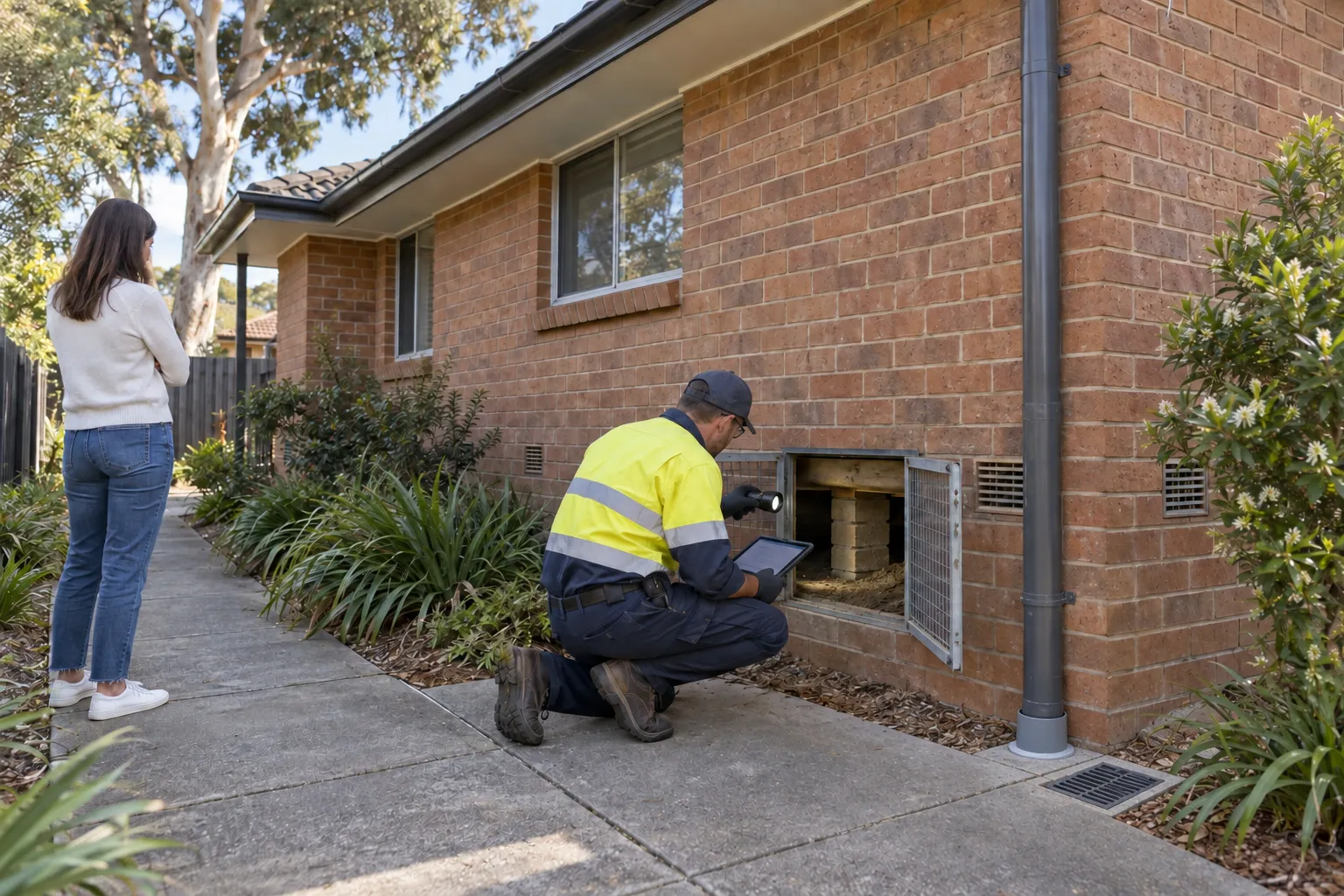
In most standard residential property purchases, a buyer has a five-business-day cooling-off period after contracts are exchanged. During this period, the buyer can withdraw from the purchase, although a financial penalty may apply. The contract should be checked to confirm whether cooling-off rights apply and when the period expires.
Cooling-off rights do not apply to every purchase and can be waived in some circumstances. Depending on the transaction, exceptions can be the following:
- Properties purchased at auction
- Certain contracts exchanged in connection with an auction
- Contracts where a section 66W certificate has been used
- Certain commercial or non-residential property transactions
- Certain rural or farming land transactions
Before agreeing to waive the cooling-off period, buyers should complete their legal, financial and property checks and understand the consequences of becoming immediately bound by the contract.
Before signing, confirm whether cooling-off rights apply, check the expiry date and time and look for any section 66W certificate attached to the contract. If more time is needed for finance, inspections or legal review, an extension may be negotiated. Any concerns about cooling-off rights or rescission should be clarified with a solicitor or conveyancer.
Review the Vendor and Property Details Carefully
The vendor and property details in the Contract of Sale should match the legal ownership and property being purchased. Check that the vendor's name matches the registered proprietor and that the contract correctly identifies the property address, lot number and deposited or strata plan details.
The property description should also match what was inspected and agreed during negotiations, including any separately titled parking spaces, storage areas or other property components. Any differences between the contract, title search or agreed terms should be clarified before exchange.
Where the property is being sold by a company, trust, deceased estate or another legal entity, the vendor's authority to sell should also be confirmed. Any errors or unclear details should be raised with a solicitor or conveyancer before signing.
Check for Existing Tenancies, Leases or Occupancy Arrangements
A property may be sold with an existing tenant, lease or other occupancy arrangement that affects when the buyer can take possession. The Contract of Sale should clearly state whether the property will be provided with vacant possession at settlement or whether an existing arrangement will continue after the sale.
Confirm Vacant Possession
If the buyer plans to move into the property after settlement, check that the contract requires vacant possession. This means the property should be available for the buyer to occupy without a tenant or other authorised occupier remaining in possession.
If the property is being sold subject to a tenancy, the contract should clearly identify the arrangement and relevant tenancy details. A buyer should not assume that a tenant will leave simply because the property has been sold.
Review Existing Tenancies and Occupancy Arrangements
Where a tenant or other occupier is staying, review the relevant lease or agreement before exchange. Check the term, rent, renewal arrangements and any conditions that may affect the buyer as the incoming owner. Other arrangements involving family members, housemates, licensees or commercial tenants should also be disclosed and clarified.
Any concerns about vacant possession, continuing tenancy obligations or other occupancy rights should be resolved before contracts become binding. A solicitor or conveyancer can advise on the contract and any obligations that may continue after settlement.
Understand the Risks of Signing Before Making Final Checks
Signing a Contract of Sale before completing the final checks can leave a buyer committed to a property before important issues are identified. Finance, valuation, title, planning information, property condition and contract terms should be reviewed before exchange rather than relying on the cooling-off period as a safety net.
Before signing, confirm that:
- Finance and valuation arrangements are sufficient for the purchase
- Building, pest, strata and other relevant inspections have been completed
- Title, planning and property details have been checked
- Inclusions, special conditions and tenancy arrangements are clear
- Any outstanding concerns have been resolved or addressed in the contract
If an issue remains unresolved, the buyer should seek appropriate legal or professional advice before exchanging contracts. Once exchange occurs, withdrawing from the purchase can have financial and legal consequences, so questions should be settled before signing.
Reviewing a Contract of Sale in NSW is an important step in protecting the financial and practical interests of a property purchase. Checking the title, planning controls, inclusions, easements, special conditions, deposit, settlement terms and cooling-off provisions can help identify potential risks before they become costly problems.
BMC Buyers Agency helps buyers assess properties and contract terms with a clear, strategic approach. Careful review and appropriate professional advice can help buyers understand their obligations, negotiate where necessary and decide before exchange.
Ready to take the first step?
Contact BMC Buyers Agency today and embark on your property journey with us.

