

What Happens After Your Offer Is Accepted on a Property in NSW?
Once an offer is accepted on a property, the purchase is not yet guaranteed. Buyers still need to navigate contract review, due diligence, finance approval, exchange and settlement before ownership officially changes hands. Working with a buyers agent in Sydney can help buyers understand what happens next and avoid costly delays or last-minute surprises.
The period between an accepted offer and settlement involves several decisions and deadlines. Buyers need to know what to look for in the contract, when to complete inspections, how finance approval fits into the timeline and what happens during the cooling-off period.
BMC Buyers Agency helps buyers approach each stage with greater confidence and a clear understanding of the process. From reviewing the contract and completing due diligence to preparing for settlement, knowing what to expect can help protect the buyer's position and make the path to getting the keys much smoother.
An Accepted Offer Is Not Yet a Binding Sale
An accepted offer does not mean the property has been legally sold. The sale becomes binding when the buyer and seller have signed the contract and the contracts are exchanged. Until then, the seller can still consider other offers, while the buyer can choose not to proceed.
A verbal agreement, handshake or email confirming that an offer has been accepted does not provide the same legal certainty as an exchanged contract. During this period, buyers should have the contract reviewed by a solicitor or conveyancer and complete important due diligence, such as checking the title, inclusions, special conditions and relevant building, pest or strata reports.
Once contracts are exchanged, the parties are legally bound by the contract, although a cooling-off right may allow the buyer to rescind in certain circumstances. Moving quickly while allowing enough time for contract review and due diligence can help buyers protect their position and reduce the risk of losing the property to another buyer.
Conducting Due Diligence Before Exchange
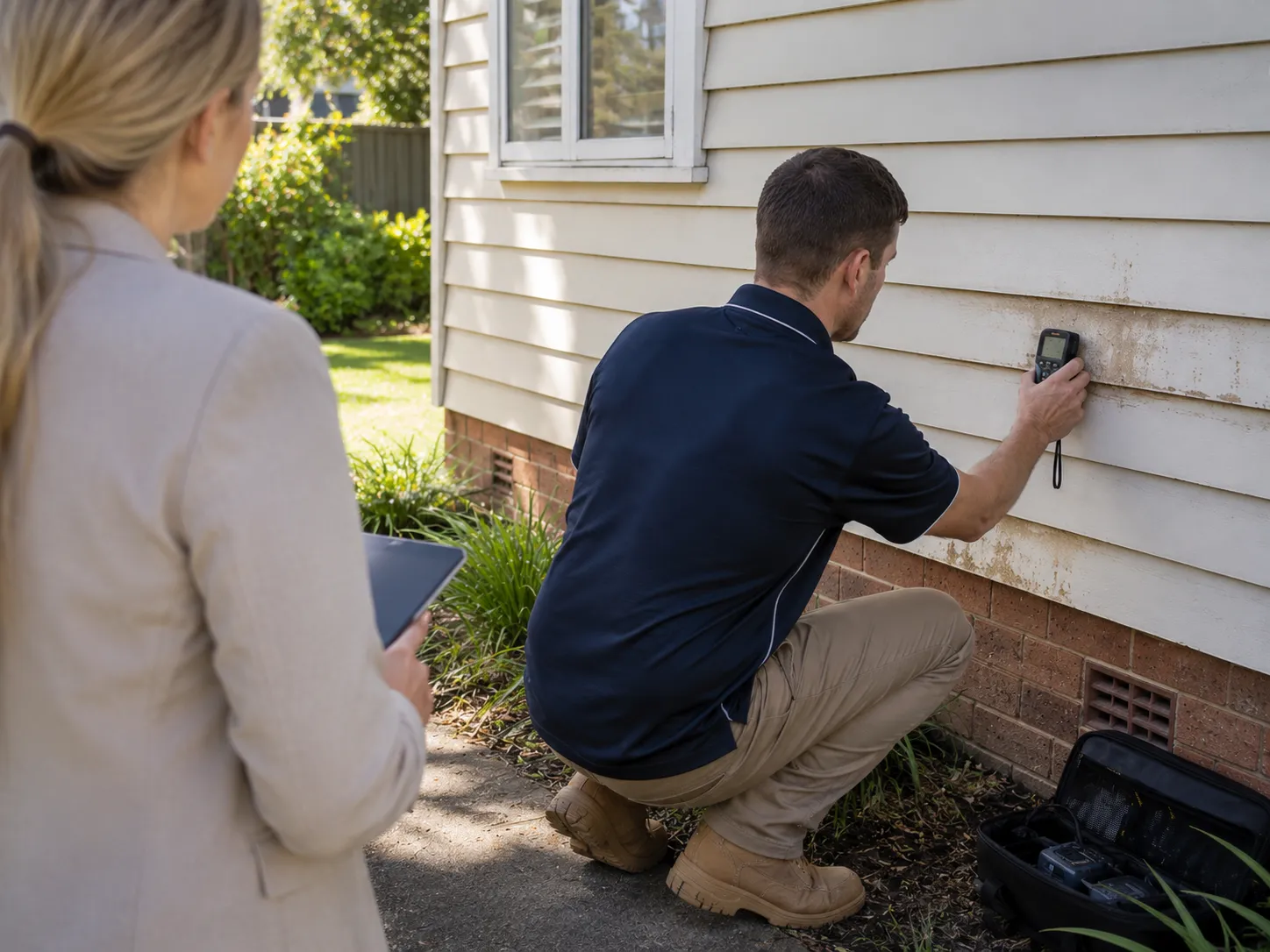
Before exchanging contracts, buyers should complete the checks needed to confirm that the property is suitable and that there are no issues that could materially affect the purchase. Depending on the property, this may include building and pest inspections, strata reports, title and property searches and checks for easements, covenants or planning restrictions.
Building and pest inspections can uncover defects, moisture issues and termite activity, while strata reports can reveal special levies, planned works, disputes and other ongoing costs. If these checks identify a concern, the buyer may be able to negotiate a price adjustment, request changes to the contract or reconsider the purchase before exchange.
Where possible, major due diligence should be completed before exchange rather than relying on the cooling-off period to uncover problems. An agent can help coordinate relevant inspections, identify issues that warrant further investigation and raise concerns with the selling agent, while the buyer's solicitor or conveyancer handles the legal checks and contract review.
Getting the Contract Reviewed Before Exchange
Before contracts are exchanged, buyers should have the contract reviewed by a property solicitor or licensed conveyancer. The review helps confirm exactly what is being purchased, identify potential risks and ensure the contract reflects the terms agreed with the seller. It can also identify easements, covenants, zoning restrictions, inclusions, settlement terms and special conditions that may affect the purchase.
The review may also highlight changes that should be negotiated before exchange, like adjustments to the settlement period, clarification of agreed repairs or inclusions, or changes to special conditions. For strata properties, the review may also consider relevant strata information, including levies, by-laws and proposed major works.
Contract review should take place alongside finance checks and other due diligence rather than at the last minute. For private treaty purchases, buyers should complete as much of their due diligence as possible before exchange rather than treating the cooling-off period as their main opportunity to investigate the property. Auction buyers need to finalise their due diligence before bidding because a successful bid can result in an immediate exchange.
Understanding the Contract and Settlement Requirements
Before signing and exchanging contracts, buyers should understand the obligations that will apply through to settlement. The contract covers more than the purchase price and may set out the settlement date, deposit, inclusions and exclusions, vacant possession requirements and special conditions. Any agreements made during negotiations should be recorded in the contract rather than left as verbal promises.
Attention should be given to:
- Settlement date: The date by which the purchase must be completed.
- Deposit: The amount payable and when it must be paid.
- Inclusions and exclusions: Items such as appliances, light fittings, blinds and other fixtures included in the sale.
- Vacant possession: Whether the property must be empty when ownership transfers or whether an existing tenancy continues.
- Special conditions: Additional obligations, rights or requirements that apply to the buyer or seller.
- Settlement adjustments: Amounts that may be adjusted at settlement, like council rates, water charges or strata levies where applicable.
After exchange, buyers need to meet the relevant settlement requirements within the timeframe specified in the contract. This may include signing mortgage documents, providing information to the lender and ensuring sufficient funds are available. The solicitor or conveyancer coordinates with the seller's representative and lender and prepares the settlement figures.
Understanding these obligations before exchange can help prevent delays and last-minute problems. Experts can help keep the broader purchasing process organised, while the buyer's solicitor or conveyancer remains responsible for explaining the legal contract and settlement requirements.
Exchanging Contracts and Paying the Deposit
Once contracts are exchanged, the parties are legally bound by the agreed terms, although a cooling-off right may apply depending on the type of purchase. Before exchange, buyers should ensure the contract has been reviewed and that the key due diligence and finance checks have been completed.
The main things to understand at this stage include:
- Contract exchange: Confirms the agreed price, settlement date, inclusions and other contract terms.
- Deposit: A 10% deposit is common, although the amount and payment arrangements can vary by agreement.
- Deposit account: The deposit is paid into the selling agent's or seller's solicitor's trust account and held according to the relevant requirements.
- Cooling-off period: Most private treaty residential purchases in NSW have a five-business-day cooling-off period, although exceptions apply.
- Rescission during cooling-off: If a buyer validly rescinds during the cooling-off period, a penalty of 0.25% of the purchase price generally applies.
- Auction purchases: Auctions do not have a cooling-off period, so buyers should complete their due diligence and understand the contract before bidding.
Once contracts are exchanged and the deposit arrangements are confirmed, the buyer is committed to the purchase subject to any applicable cooling-off rights. Understanding these requirements before exchange helps ensure there are no unexpected financial or contractual obligations.
What Happens During the Cooling-Off Period?
For most private treaty residential purchases, a five-business-day cooling-off period applies after contracts are exchanged. It gives the buyer a limited opportunity to withdraw from the purchase, usually with a penalty of 0.25% of the purchase price. The period can be shortened, extended or waived in certain circumstances, so buyers should confirm their specific position with their solicitor or conveyancer.
The cooling-off period should not be treated as a substitute for proper due diligence. Instead, buyers can use any remaining time to complete outstanding checks and confirm they are comfortable proceeding:
- Finalise due diligence: Complete any outstanding building and pest inspections, strata checks or specialist reports.
- Confirm finance: Provide the signed contract and required documents to the lender and work towards formal loan approval.
- Resolve contract concerns: Ensure any outstanding questions or amendments have been addressed by the solicitor or conveyancer.
- Make an informed decision: If serious issues arise or finance cannot be secured, the buyer can seek legal advice about whether to rescind during the cooling-off period.
Cooling-off rights do not apply to properties purchased at auction or where a section 66W certificate has been used. Buyers, therefore, need to complete their due diligence and understand their financial and contractual commitments before exchange whenever possible.
Finalising Finance and Preparing for Settlement
After contracts are exchanged, buyers need to finalise their finance and complete the practical steps required for settlement. While loan pre-approval can help buyers understand their borrowing range, they still need to work with their lender to finalise the loan once they have found a property.
The process can be managed through a few key steps:
- Secure formal finance approval: Provide the lender with the signed contract, valuation and any requested financial documents. Review the final loan offer and mortgage documents before signing.
- Confirm settlement requirements: The buyer's solicitor or conveyancer coordinates with the lender and seller's representative, confirms the settlement date and calculates the funds required, including relevant adjustments for rates, water or strata levies.
- Prepare the required funds: Ensure any amount not covered by the loan is available before settlement. The deposit already paid will form part of the purchase price.
- Arrange insurance: Buyers should confirm when building and contents insurance needs to begin based on the contract and advice from their solicitor or conveyancer.
- Complete the final inspection: A pre-settlement inspection allows the buyer to check that the property remains in substantially the same condition and that agreed inclusions are still present.
Preparing these items early can reduce the risk of settlement delays, additional costs or contractual problems. Any issue with finance, documentation or the property's condition should be raised with the relevant professional as soon as possible.
The Pre-Settlement Inspection

The pre-settlement inspection is the buyer's final opportunity to check the property before settlement. It is not intended to renegotiate the purchase but to confirm that the property remains in substantially the same condition as at exchange and that agreed inclusions, repairs and vacant possession requirements have been met.
Check the Property's Condition
Look for any new damage to walls, floors, ceilings, windows, doors or outdoor areas that was not present when contracts were exchanged.
Confirm Fixtures and Inclusions
Check that items listed in the contract, such as appliances, blinds and light fittings, remain in place and are in reasonable working order.
Test Basic Services
Where practical, check lights, power points, taps, toilets, hot water and included appliances to ensure they are operating as expected.
Check Agreed Repairs
If the seller agreed to complete specific repairs or other work, confirm that these have been completed as required before settlement.
Confirm Vacant Possession
If the contract requires vacant possession, check that the property has been cleared of the seller's belongings, furniture and rubbish.
What If Problems Are Found?
Any issue should be documented and reported to the buyer's solicitor or conveyancer immediately. Depending on the circumstances, the parties may agree to repairs, a financial adjustment or another solution before settlement. Minor wear and tear or pre-existing issues that were not contractual obligations do not provide grounds to renegotiate the purchase.
Settlement Day and Getting the Keys
Settlement day is when the purchase is completed and legal ownership transfers from the seller to the buyer. The buyer's solicitor or conveyancer and lender usually handle the process electronically, coordinating the transfer of funds, mortgage documents and title with the seller's representatives.
What Happens at Settlement?
On settlement day, the buyer's lender provides the loan funds and the buyer provides any remaining funds required to complete the purchase. The seller's mortgage is discharged, transfer documents are processed and settlement is completed once all parties confirm that the requirements have been met. The buyer's solicitor or conveyancer will then confirm when settlement has occurred.
Collecting the Keys
Once settlement is confirmed, the buyer can usually collect the keys from the selling agent and take possession if the contract provides for vacant possession. If the property is tenanted, the existing tenancy continues according to the contract and applicable arrangements.
Any issues identified before settlement should be raised with the solicitor or conveyancer as soon as possible. After settlement, buyers can arrange utilities, change the locks if desired and begin taking possession of their new property.
Once an offer is accepted in NSW, there are still several important steps before ownership transfers. Contract review, due diligence, finance approval, cooling-off requirements, the final inspection and settlement all need to be managed carefully, with buyers staying aware of deadlines and communicating with their solicitor or conveyancer and lender.
BMC Buyers Agency helps buyers navigate the process from accepted offer to settlement with greater clarity and confidence. With the right preparation and guidance, buyers can understand their obligations, respond to issues promptly and move towards settlement with fewer surprises and a clearer understanding of what to expect.
Ready to take the first step?
Contact BMC Buyers Agency today and embark on your property journey with us.

