
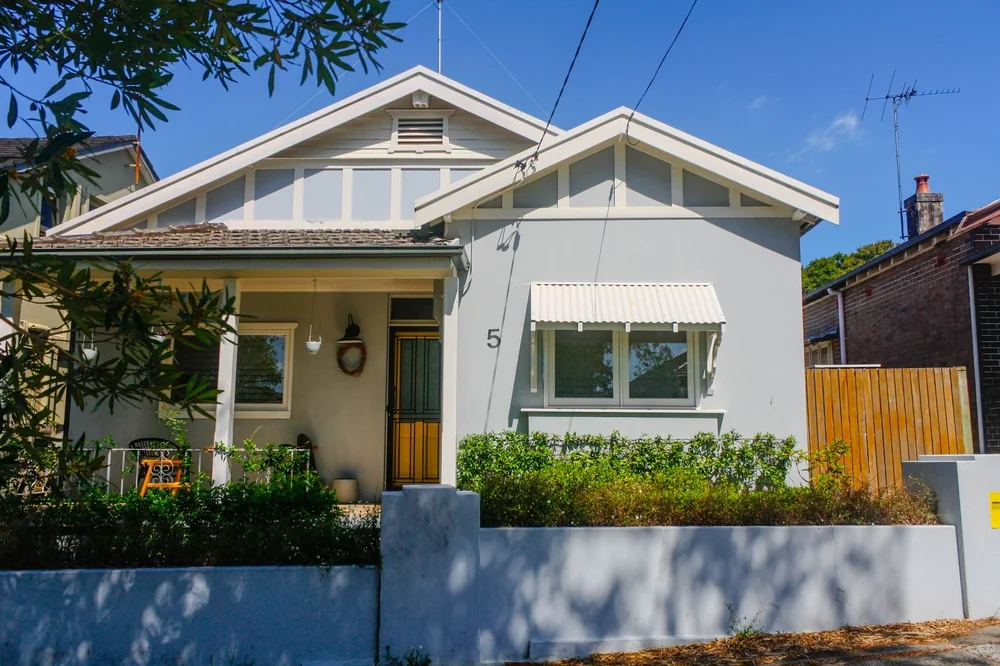
Should You Compromise on Property Condition to Buy in a Better Location?
Choosing where to buy property often involves a difficult trade-off between location, condition and budget. Buyers may find a beautifully renovated home in a weaker pocket, or a tired property in a tightly held suburb with stronger long-term fundamentals. For buyers working with a buyers agent in Sydney, this decision can become especially challenging in competitive markets where desirable suburbs often come with higher prices and fewer perfect options.
BMC Buyers Agency explores how location, property condition and long-term strategy should be weighed when assessing residential real estate opportunities. The article looks at how school catchments, transport access, local infrastructure, renovation scope, structural integrity and future resale potential can all influence whether a compromised property is still a smart purchase. It also explains when accepting a dated home in a better location may create genuine value, and when the risks may outweigh the benefits.
Why Buyers Compromise on Condition
Many buyers quickly discover that the ideal home in the ideal location does not always exist within their budget. In competitive markets, the choice often comes down to a well-presented property in a less desirable area or a more dated home in a stronger suburb. When this happens, buyers need to decide which compromise will have the bigger impact over time.
This decision is rarely about appearance alone. A dated kitchen, worn flooring or older bathroom can often be improved, while a poor street position, weak school catchment or inconvenient location cannot be changed. For this reason, many buyers are willing to accept a property that needs work if the location offers stronger long-term value.
Capital Growth Potential
Location remains one of the strongest drivers of long-term capital growth. Desirable suburbs with limited supply, strong buyer demand and good access to amenities often perform more consistently than areas where new housing supply is easier to create. In these markets, accepting an older bathroom, dated décor or an unrenovated layout can be a calculated way to enter a higher-performing area.
Buyers also need to consider the balance between land value and building value. A tired dwelling on a good block in a tightly held suburb may outperform a newly renovated home in a weaker location over a 10- to 15-year period. Even after allowing for renovation costs, the better-located property may provide stronger equity growth if the suburb fundamentals are sound.
Lifestyle and Essential Amenities
Daily convenience is another major reason buyers compromise on condition. Proximity to employment hubs, public transport, quality schools, parks, beaches, shops and medical services can make a significant difference to everyday life. These benefits can be difficult to replace, even with a newer or more attractive home.
Families may accept a smaller or more dated property to secure a preferred school zone. Professionals may choose an older apartment or house if it reduces commute times. Investors may prioritise areas with strong tenant demand, low vacancy and easy access to transport or employment. In each case, the location provides value that cosmetic improvements alone cannot create.
Value Uplift Through Renovation
Some buyers deliberately look for properties that present poorly in strong locations. A home with dated finishes, tired landscaping or an old-fashioned layout may attract less competition than a fully renovated property in the same suburb. This can create an opportunity to buy at a lower entry price and improve the property over time.
This strategy works best when the renovation scope is clear, the structure is sound and the cost of improvements is realistic. Instead of paying a premium for someone else’s renovation, buyers can tailor the property to their own needs while benefiting from the strength of the location. When the numbers are carefully assessed, compromising on condition can become a value-creation strategy rather than a reluctant concession.
Why Location Often Carries Long-Term Value
Location is one of the few aspects of a property that cannot be changed. Floor plans can be altered, kitchens can be replaced and tired finishes can be updated, but a noisy road, poor access to transport or weak local demand will remain. This is why many buyers give more weight to the quality of the location than the current presentation of the home.
Strong locations tend to attract ongoing demand because they offer convenience, scarcity and lifestyle appeal. These factors support both owner-occupier interest and rental demand, which can help protect the property’s long-term value.
Land Value and Scarcity
In residential real estate, the land component often carries the greatest long-term growth potential. Buildings age, require maintenance and eventually need updating. Land in a well-located area, however, can become more valuable as population growth increases demand for established suburbs.
Scarcity plays an important role. Suburbs with limited available land, established infrastructure, natural boundaries or planning constraints cannot simply expand to meet demand. When more buyers compete for a limited number of well-located properties, this can support long-term price growth. Even if the dwelling itself is tired, the underlying land can remain highly valuable.
Amenity and Lifestyle Appeal
Areas with strong amenity often remain attractive across different market conditions. Buyers and tenants are usually willing to pay more for homes that make daily life easier and more enjoyable.
Key location features that often support demand include:
- Reliable public transport, including train stations and major bus routes
- Easy access to employment hubs or major road links
- Quality schools, universities and childcare options
- Retail villages, cafes, parks, beaches and recreational spaces
- Health services, shopping centres and other everyday conveniences
These features appeal to a broad range of buyers, including first home buyers, professionals, young families, investors and downsizers. A property does not need to be perfectly presented to benefit from this level of locational demand.
Resilience in Changing Markets
Stronger locations often show better resilience when property market conditions soften. In slower markets, buyers tend to become more selective and focus on suburbs with proven demand, strong amenities and long-term confidence. This can reduce price volatility and support resale prospects, even when the property itself needs cosmetic work.
Good locations also attract renovation-minded buyers. These buyers can see potential in dated homes because they know the suburb supports higher end values. When surrounding homes are renovated or improved over time, the broader street appeal can also lift, supporting values across the local area.
When Cosmetic Issues Are a Reasonable Compromise
Cosmetic issues can look significant during an inspection or in listing photos, but they are not always serious. In a superior location, it can be reasonable to accept dated or unattractive finishes if the property is structurally sound and the purchase price reflects the work required.
The key is knowing the difference between surface-level problems and deeper defects. A tired interior can often be improved gradually, while structural movement, serious damp or major service issues can be expensive and disruptive to repair.
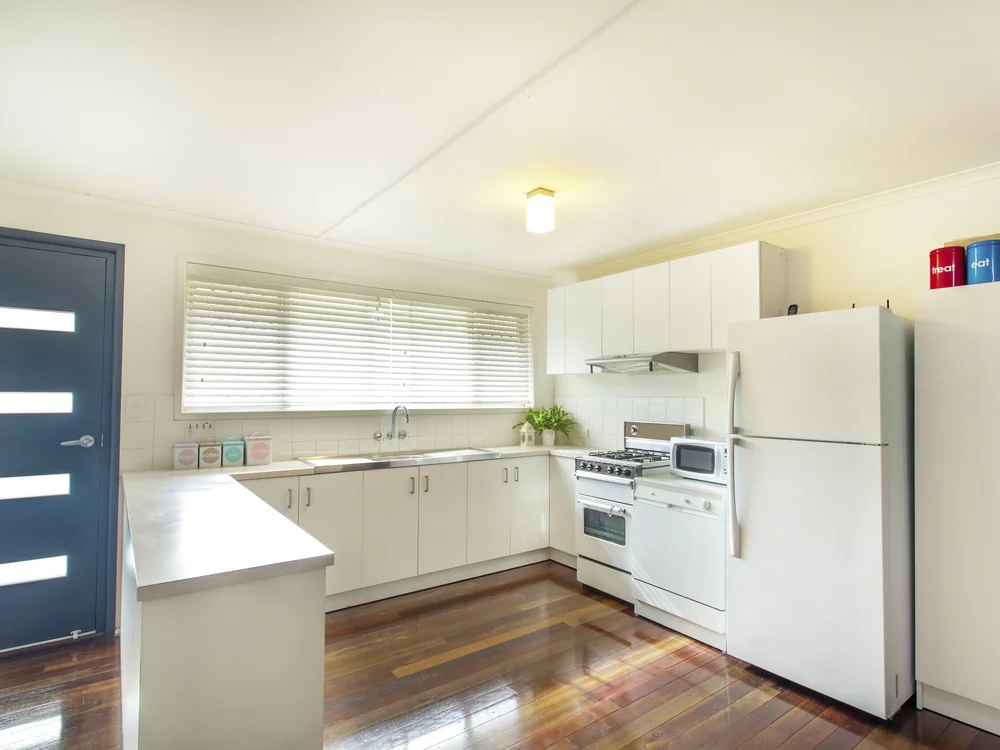
What Counts as Cosmetic Only?
Cosmetic issues are problems that affect appearance more than safety, structure or liveability. They can usually be addressed without changing the underlying building or carrying out major rectification work.
Common cosmetic issues include:
- Tired paintwork
- Worn carpet or older floor coverings
- Dated but functional kitchens and bathrooms
- Old light fittings or window furnishings
- Basic landscaping neglect
- Worn cabinetry, benchtops or tiles
- Outdated colour schemes or finishes
These improvements can often be staged over time. Repainting, replacing flooring, updating cabinetry doors, refreshing tapware or improving landscaping may significantly improve presentation without requiring major construction.
Before assuming an issue is only cosmetic, buyers should look for warning signs. Cracks, sticking doors, musty smells, mould, rising damp, water stains or uneven floors may suggest more serious underlying problems. Damage around windows, bathrooms or wet areas can also indicate leaks or movement rather than simple wear and tear.
When Imperfect Presentation May Be Worth Accepting
In tightly held locations, renovated homes often sell at a significant premium. In some cases, that premium may exceed the actual cost of the renovation. This is where a sound but unattractive property can make sense.
A compromise on presentation may be reasonable when:
- The purchase price clearly reflects the dated condition
- Building and pest reports do not reveal major defects
- Renovation costs have been estimated before purchase
- The property has a functional layout and good natural light
- Comparable renovated homes in the area support a higher end value
- The location has strong long-term demand
For example, an original 1980s kitchen in a strong school zone may be a better long-term compromise than a stylish kitchen in a weaker suburb. The dated interior may reduce the entry price, while the land and location continue to support growth.
How Renovation Can Change the Value Equation
Renovation costs can determine whether a property in a better location is a smart purchase or an expensive mistake. A home may look affordable at first, but once stamp duty, repairs, upgrades and holding costs are included, the true cost can be much higher.
Buyers should treat renovation as part of the purchase decision, not something to think about later. The property should be assessed based on its total cost after necessary improvements, not just its sale price.
Calculate the Total Acquisition Cost
The first step is to calculate the full cost of getting the property into a liveable, rentable or resale-ready condition. This includes more than the purchase price.
Buyers should allow for:
- Stamp duty and legal fees
- Building and pest inspections
- Buyer’s agent or professional advisory fees, where relevant
- Immediate repairs
- Renovation or upgrade costs
- Holding costs during works
- Contingency for cost overruns
Once the total figure is known, the property can be compared more fairly against renovated homes in the same or similar locations. If the all-in cost remains below the value of comparable renovated properties, the compromise may be worthwhile. If the total cost approaches or exceeds the suburb’s likely resale ceiling, the location advantage may not be strong enough to justify the risk.
Separate Cosmetic Work From Structural Work
Not all renovation costs have the same impact on value. Cosmetic work is often more predictable and can improve appeal quickly. Structural, compliance or service-related work can be far more expensive and may not be visible once completed.
Cosmetic work may include painting, flooring, lighting, kitchen updates, bathroom refreshes and basic landscaping. These upgrades can improve liveability, rental appeal and buyer perception.
Structural or essential rectification work may include rewiring, replumbing, roof replacement, restumping, drainage repairs, waterproofing failures, major damp issues or fixing non-compliant additions. These items may be necessary, but they can absorb large amounts of money before any visible improvement is made. Buyers need to understand these costs before deciding whether the compromise is worthwhile.
Weigh Renovation Spend Against Likely Value Uplift
The final question is whether the renovation is likely to create enough value. Spending money on improvements does not automatically mean the property will be worth more than the total cost.
Recent comparable sales are essential. Buyers should look at renovated homes of a similar size, land content and property type in the same suburb or immediate pocket. These sales help establish the likely end value after improvements.
If the projected value after renovation comfortably exceeds the total acquisition and upgrade cost, the compromise on condition may be justified. If the margin is narrow, uncertain or dependent on perfect market conditions, the buyer may be taking on too much risk.
What Issues Should Not Be Ignored
Compromising on cosmetic condition can be sensible. Compromising on serious structural defects, poor site characteristics or major lifestyle limitations is far more risky. Some problems can be fixed, but others will continue to affect liveability, resale and future buyer demand.
Buyers need to separate acceptable imperfections from red flags that could reduce long-term value.
Location Constraints That Cannot Be Changed
Even the best renovation cannot fix a compromised site. Certain location issues can limit appeal no matter how well the property is improved.
Major location red flags include:
- Direct exposure to heavy traffic noise, major arterial roads, rail lines or flight paths
- Flood overlays or a known flood history
- Adjoining noisy commercial premises, hospitality venues or high-intensity uses
- Poor privacy due to neighbouring buildings or overlooking
- Severe overshadowing that limits natural light
- Locations with persistent safety concerns or poor street appeal
- Poor access to transport, schools, shops or employment without signs of future improvement
These issues are difficult or impossible to change. Double glazing, fencing or landscaping may reduce some impacts, but they rarely remove the problem completely.
Lifestyle Compromises That May Go Too Far
Some lifestyle compromises are manageable, especially if the property has strong future potential. Others can make the home frustrating to live in and harder to resell.
Buyers should be cautious about:
- Very poor natural light or airflow
- No practical parking in an area where parking is highly valued
- Awkward floor plans that cannot be easily improved
- Poor bedroom separation or limited bathroom functionality
- No realistic scope to add value through layout changes
- Excessive noise, privacy issues or access difficulties
- A combination of several compromises in one property
One or two manageable issues may be acceptable if the location is strong. However, when multiple compromises stack together, even a desirable suburb may not make the property a good purchase.
How to Decide Whether the Trade-Off Makes Sense
Deciding whether to prioritise location over condition requires more than instinct. The right decision depends on budget, time horizon, renovation capacity, lifestyle needs and the quality of the underlying asset.
A structured approach helps buyers avoid emotional decisions. The aim is to understand what can be changed, what cannot be changed and whether the numbers still work after realistic costs are included.
Clarify the Strategy and Time Horizon
The first step is to define the purpose of the purchase. A long-term owner-occupier may be more comfortable buying a dated property in a better suburb because they can renovate gradually and benefit from the location over time. An investor focused on capital growth may also accept cosmetic issues if the area has strong rental demand and long-term scarcity.
A short-term buyer needs to be more cautious. If the plan is to sell, refinance or upgrade within a few years, the property needs a clear and realistic path to value uplift. Without enough time to renovate or benefit from capital growth, the compromise may not pay off.
Quantify the Costs Properly
A lower purchase price can be misleading if repairs and upgrades are underestimated. Building and pest inspections should be treated as essential, not optional. Their findings need to be translated into actual cost estimates wherever possible.
Essential repairs should be separated from optional improvements. Safety, structural, waterproofing, electrical, plumbing and compliance issues should be costed first. Cosmetic improvements can then be prioritised according to budget and timing.
Buyers should also stress test cash flow. Renovations can take longer than expected, costs can rise and rental income may be interrupted if the property is not immediately lettable. If the numbers only work under perfect conditions, the purchase may carry too much risk.
Test the Resale Position After Improvements
A property should also be assessed based on what it could realistically become. Comparable sales can show whether renovated homes in the same location achieve a strong premium. If similar improved properties sell well above the likely all-in cost, there may be a genuine opportunity to create value.
However, not every property has strong upside. Poor orientation, difficult access, awkward layout, major noise impacts or overdevelopment nearby can limit value even after renovation. In these cases, buyers may be better off compromising on property size or type rather than taking on a flawed asset in a premium location.
The decision to prioritise location over property condition depends on long-term objectives, financial capacity, renovation tolerance and the quality of the underlying asset. Strong locations often provide better capital growth potential, broader buyer and tenant demand and greater resilience across changing market conditions. However, those advantages only translate into positive outcomes when renovation costs, structural risks and lifestyle compromises are carefully assessed from the outset.
Compromising on condition can be a smart strategy when the issues are mostly cosmetic, the property is structurally sound and the location has strong fundamentals. It becomes risky when buyers ignore major defects, underestimate renovation costs or accept location problems that cannot be fixed. With the right due diligence and a clear strategy, buying a less polished property in a better location can become a calculated long-term decision rather than a costly mistake.
Ready to take the first step?
Contact BMC Buyers Agency today and embark on your property journey with us.

