
Could Low Strata Levies Make An Apartment More Expensive?
A low quarterly strata levy can make an apartment in Sydney appear more affordable, but the advertised amount does not always reflect the building’s true ongoing costs. Owners may be contributing less towards future maintenance, leaving the scheme exposed to funding shortfalls or additional levies when major repairs are needed. Comparing properties requires more than looking at the regular bill.
BMC Buyers Agency helps buyers assess apartments against their budgets, property requirements and long-term ownership considerations. Reviewing strata levies alongside available funds, planned maintenance and meeting records can reveal potential costs that may not be obvious during an inspection.
Knowing what strata levies cover, how to assess a building’s financial position and which questions to raise during a strata records review can help buyers make more informed purchasing decisions. These checks provide a clearer picture of ongoing expenses and help distinguish an affordable apartment from one with potential future financial commitments.
What Am I Actually Paying For Through Strata Levies?
Strata levies are contributions towards the shared costs of running and maintaining a building. They help fund expenses that individual owners would need to organise and pay for collectively.
In NSW, strata schemes maintain an administrative fund for day-to-day expenses and a capital works fund for longer-term maintenance and replacement. Understanding the distinction helps buyers assess what their quarterly contributions cover and whether the building is preparing for future expenditure.
Everyday Building Expenses and Longer-Term Capital Works
The administrative fund covers recurring expenses such as building insurance, cleaning, common-area electricity, gardening and routine maintenance. Costs vary between properties. A small apartment block with limited shared spaces will have different operating needs from a larger building with lifts and extensive common facilities.
The capital works fund is intended to cover major repairs, maintenance and replacement of common property. This may include repainting common areas, replacing shared equipment or carrying out substantial roof repairs, but it depends on the building. A property can appear well maintained while still requiring vital expenditure in the coming years.
Some expenses occur regularly, while others arise less frequently but cost considerably more. Cleaning may be paid for throughout the year, whereas replacing a lift component could require a substantial payment at a particular time. Regular contributions help spread the funding burden, but they cannot eliminate uncertainty about future costs.
Building size also influences expenses. More lots may allow certain costs to be shared among more owners, but larger buildings can have additional equipment and common areas to maintain. Each apartment’s contribution depends on the scheme’s levy allocation arrangements, so buyers should ask their independent strata records reviewer to explain the amount attributable to the specific lot.
Why a Smaller Levy Does Not Automatically Mean Better Value
Low strata levies can be reasonable when a building has modest operating expenses, adequate reserves and a realistic maintenance plan. However, they warrant closer investigation when contributions appear insufficient for identified work or expected future expenditure.
Higher levies do not automatically indicate better management or superior building condition either. They may reflect extensive facilities, higher operating expenses or deliberate efforts to build funds for upcoming maintenance.
The important consideration is what each building provides, what its owners are funding and whether the contributions appear consistent with its financial obligations. Comparing quarterly amounts without examining the supporting records can give buyers an incomplete picture of affordability.
A strata records review and a physical building inspection also serve different purposes. Financial and meeting records help identify funding concerns and documented maintenance issues, while a suitably qualified building inspector can assess the property's physical condition. The discussion of building and pest inspection red flags can help identify issues to raise with a qualified inspector.
A Healthy Fund Balance Needs Context
A substantial capital works fund balance can be reassuring, but it does not automatically mean a building is financially prepared for every upcoming expense. Its adequacy depends on the work required, when payments are due and whether further contributions will be necessary.
Buyers should assess available funds against documented maintenance needs and expected expenditure rather than relying on a balance described as healthy. The timing and certainty of planned work are important when estimating potential ownership costs.
NSW Government guidance on capital works planning explains how a building’s 10-year plan helps anticipate major maintenance expenses and future funding needs.
Comparing Available Funds With Upcoming Expenditure
Start by asking an independent strata records reviewer to explain the administrative and capital works fund balances separately. Combining the figures can obscure how much money is available for longer-term projects, as the administrative fund is intended to meet regular operating expenses.
Check the date of the financial statements and whether major expenditure has occurred since they were prepared. Approved work, outstanding invoices and other financial commitments may affect the amount actually available for future projects.
Upcoming expenditure also needs to be assessed according to its status. Work proposed for several years in the future differs from a project that has already been approved and is awaiting payment. Estimates can change as the scope of work becomes clearer or further assessments are completed.
A reviewer should distinguish between preliminary estimates, proposed projects, approved expenditure and confirmed financial commitments. This helps buyers understand which costs are established and which remain uncertain.
The number of lots can provide useful context, but dividing a fund balance by the apartment count is not a reliable measure of affordability. Buildings have different maintenance requirements and contributions may vary according to each lot's unit entitlement. The timing of expenditure, funding arrangements and the apartment's allocated share of costs all need to be considered.
Comparing Two Apartments With Different Funding Positions
Consider two apartments in otherwise suitable buildings. The first has low quarterly levies and a capital works fund balance that initially appears comfortable. However, the records identify substantial common-property work expected soon. If the project would use most of the available funds, buyers would need to investigate how the remaining costs are expected to be covered.
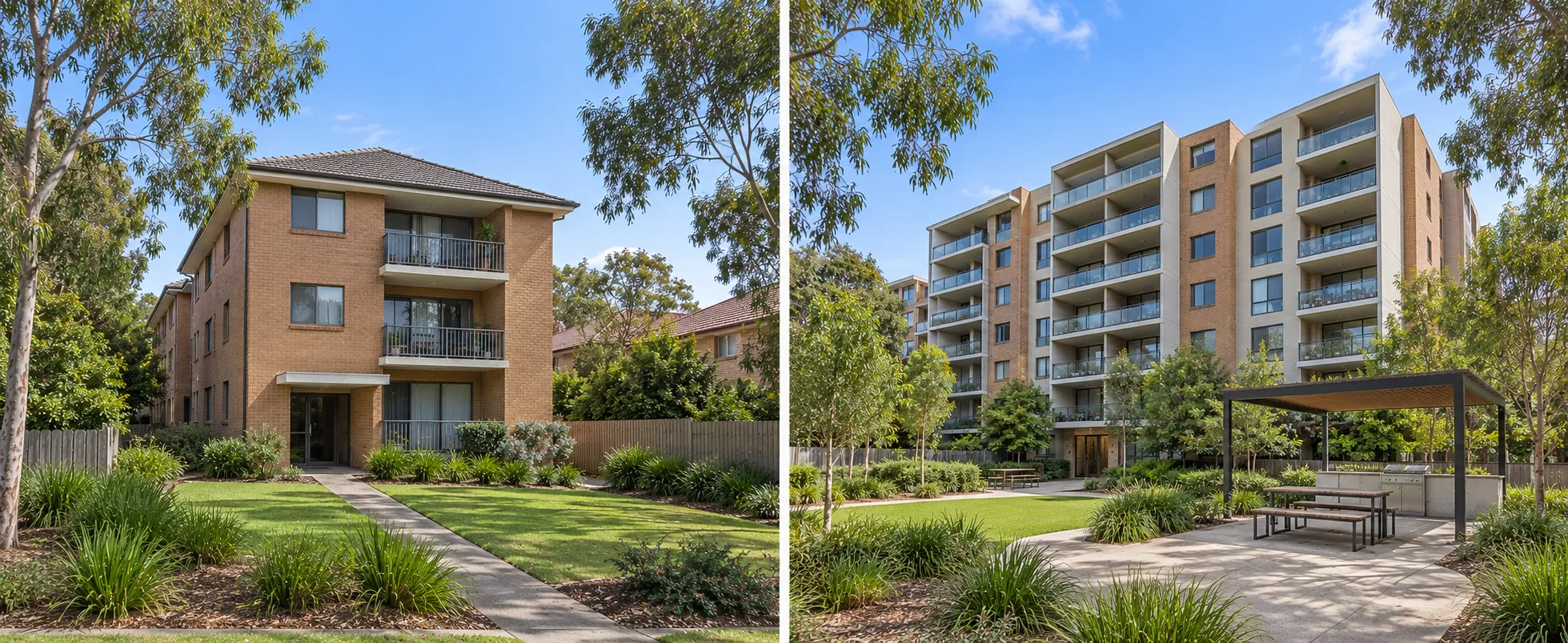
The second apartment has higher quarterly levies because its building regularly contributes towards identified future maintenance. Planned expenditure is spread over a longer period, potentially providing a clearer picture of the funding approach. However, higher contributions do not guarantee that the available funds will be sufficient or that additional levies will never be required.
These hypothetical examples do not establish that either building will need a special levy. The first scheme may have a credible funding arrangement that is not immediately apparent from the headline figures. The second may face unexpected repairs or rising project estimates.
An independent strata records review can help clarify the financial position and identify questions that require further investigation. Where the records raise concerns about building condition or proposed work, a building professional can assess the relevant physical issues.
Understanding the roles within a property purchasing team also helps buyers direct financial, legal and building-related questions to the specialists.
How Do I Judge Whether the Ongoing Costs Fit My Budget?
Assessing affordability involves more than calculating the current quarterly levy. Buyers need to consider known financial commitments, potential additional contributions and how changes in ownership costs could affect their household budget.
Although future expenses cannot be predicted with complete certainty, reviewing available records helps separate confirmed costs from unresolved questions before making a purchasing decision.
Questions About Approved Levies, Proposed Works and Funding Gaps
An independent strata records reviewer can help buyers investigate the scheme's financial position and identify matters requiring clarification. Here are important questions to ask:
- Have additional levies been approved and have further contributions been discussed in meeting records?
- Which planned maintenance projects have been approved and how are they expected to be funded?
- Are there gaps between available funds, expected contributions and identified expenditure?
- Which maintenance costs, estimates or funding decisions remain uncertain?
Ask the reviewer to identify the relevant records and explain when the information was prepared. A proposal recorded in meeting minutes is not the same as an approved levy and a preliminary estimate does not necessarily reflect the final cost of a project.
Where information is incomplete or unclear, the uncertainty should be identified rather than treated as evidence that no additional expense will arise.
A solicitor or conveyancer can then explain the legal and contractual implications for the proposed purchase. If additional levies are involved, buyers should ask the legal professional to clarify the relevant liability, payment dates and any provisions in the contract that address the expense. They should not assume a cost belongs to the seller simply because the underlying work was discussed before an offer was made.
Special levies are additional contributions raised to meet specific funding requirements. Their possibility does not automatically make a building unsuitable, just as the absence of an approved special levy does not guarantee that one will never be needed. The objective is to understand the available evidence and identify any financial exposure before proceeding.
Assessing Affordability Beyond the Advertised Quarterly Amount
Compare the current strata levy with other ownership expenses, including mortgage repayments, council rates, applicable water charges, insurance and maintenance within the apartment. Assessing these costs together helps buyers determine whether the purchase price and ongoing commitments fit their budget.
ASIC’s Moneysmart provides guidance on budgeting for ongoing ownership costs, including mortgage repayments, council rates, utilities and maintenance.
Also, consider how the household would manage a future increase in regular levies or an unexpected additional contribution. Would the extra expense affect essential spending, savings or other financial commitments? There is no universal cash buffer suitable for every buyer, so anyone needing help assessing their financial capacity should seek personalised advice.
Affordability also depends on individual priorities. Some buyers may consider higher levies worthwhile for facilities they regularly use, while others may prefer a simpler building with fewer shared amenities and lower operating expenses. Neither option automatically represents better value.
When comparing apartments with a buyers agent in Sydney, buyers can discuss how documented ownership costs align with their purchasing brief and property requirements. BMC Buyers Agency can help assess suitable properties against these priorities, while strata records interpretation, legal obligations, building condition and personal financial capacity should be addressed.
Basically, the quarterly levy is only one part of apartment affordability. Reviewing the building's finances, understanding upcoming maintenance and identifying potential funding gaps can provide a more complete picture of the costs involved. With this, buyers can compare properties and make purchasing decisions based on the advertised price and the responsibilities of ownership.
Ready to take the first step?
Contact BMC Buyers Agency today and embark on your property journey with us.

