
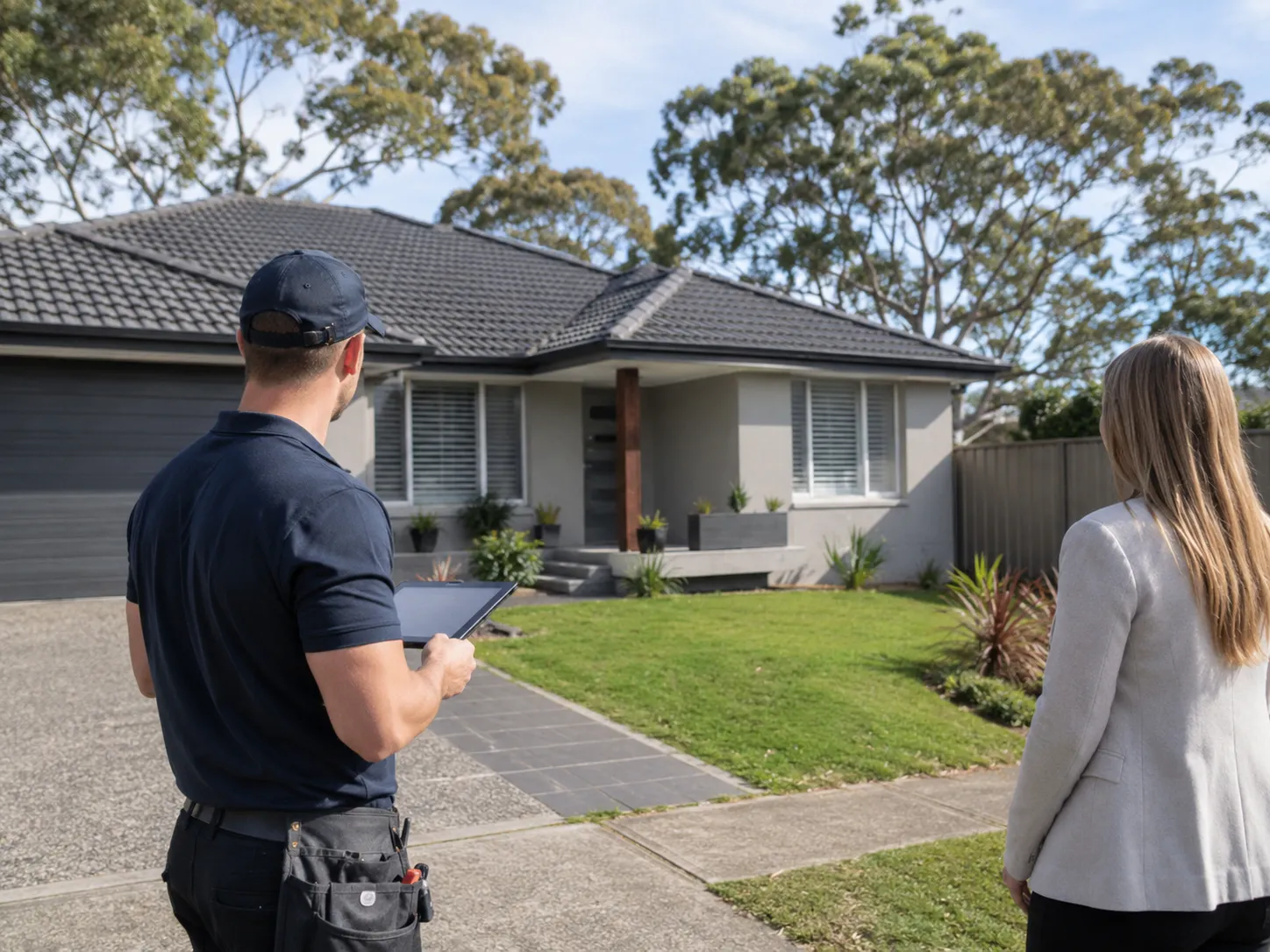
What Does a Building and Pest Inspection Include in NSW?
Buying a property involves more than comparing floor plans, locations and suburb profiles. Before committing to a purchase, a building and pest inspection can uncover issues that may not be obvious during a property viewing, from structural defects and moisture damage to termite activity and other timber pests.
BMC Buyers Agency understands the importance of thorough due diligence when assessing a property. Whether buyers work with a buyers agent in Sydney or navigate the process independently, knowing what an inspection covers can help them make informed decisions before contracts are exchanged.
A standard inspection can provide valuable insight into a property's condition while highlighting areas that may need further investigation. Understanding what is included, what is outside the inspection's scope and how to interpret the report can help buyers assess risks, consider repair costs, negotiate where appropriate or decide whether to proceed.
What Is a Building and Pest Inspection?
A building and pest inspection is a pre-purchase assessment that looks for visible defects, structural concerns and signs of timber pest activity before a property is purchased. In NSW, the building inspection focuses on accessible areas of the property, while the pest component looks for termites, borers, timber decay and conditions that could increase the risk of future pest activity.
The inspection is visual and non-invasive, so inspectors do not normally remove walls, flooring or other building materials to investigate concealed areas. Instead, they assess accessible parts of the home and surrounding site, document findings and identify areas that may require additional investigation or specialist assessment.
The goal is not to find a property without any defects. Minor wear and maintenance issues are common in older homes. Rather, the inspection helps identify problems that could lead to repair costs, affect the property's safety or influence the decision to proceed with the purchase. NSW Government guidance provides further information about pre-purchase inspection reports and the checks buyers can consider before purchasing a property.
What Is Checked During a Building Inspection?
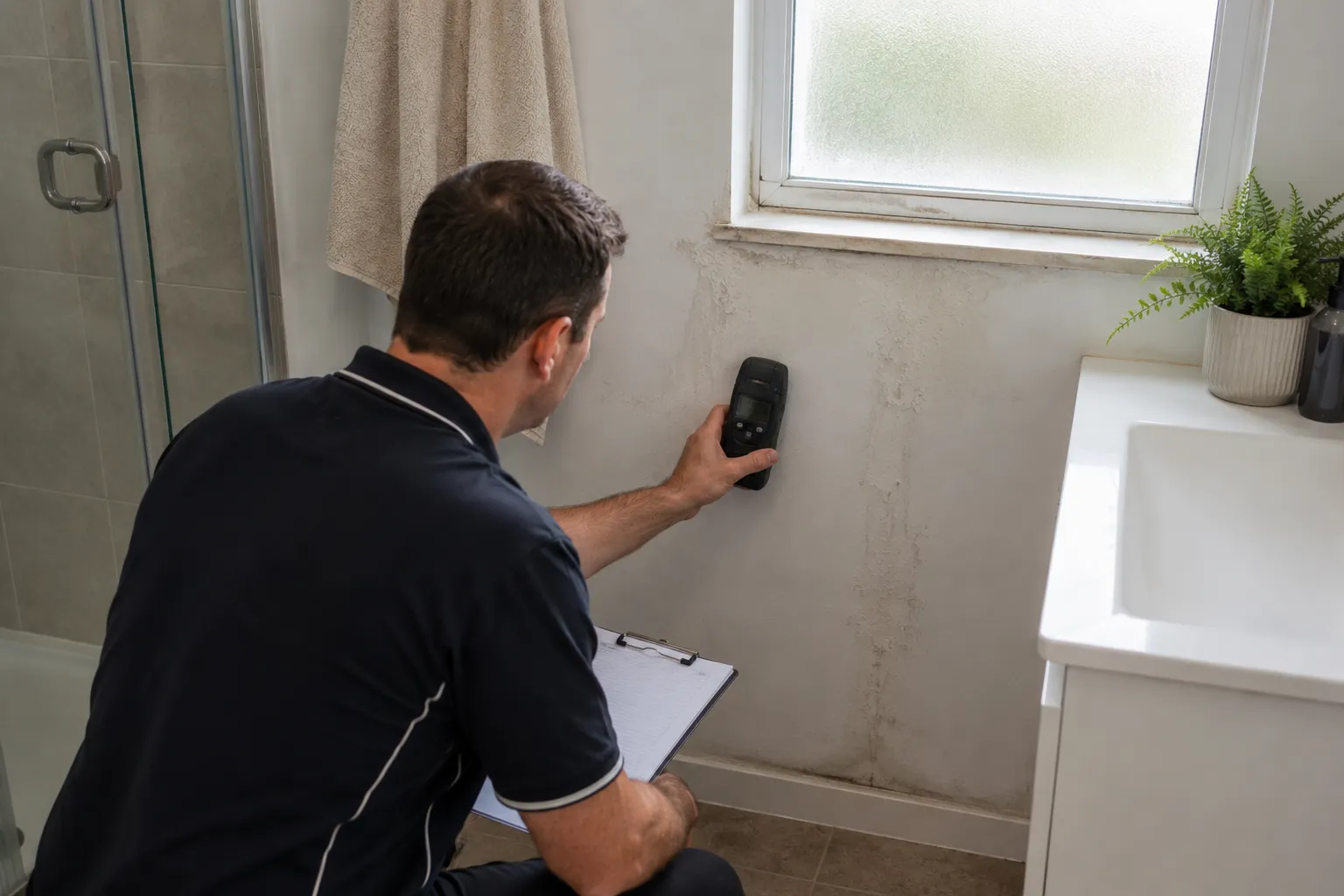
A building inspection is a visual assessment of the property's accessible areas, designed to identify major defects, structural concerns, safety hazards and signs of moisture damage. Pre-purchase building inspections are commonly carried out with reference to AS 4349.1, which provides guidance for residential property inspections and reporting. The inspection is non-invasive, so concealed areas and components that cannot be safely accessed are not fully assessed.
Depending on accessibility and the inspection scope, common areas assessed include:
- Structure and exterior: Roof coverings, external walls, windows, doors, foundations and accessible structural elements are checked for cracking, movement, deterioration, corrosion, decay and signs of water entry.
- Interior and wet areas: Ceilings, walls and floors are assessed for cracking, staining, unevenness and other visible defects. Bathrooms, kitchens and laundries receive attention for moisture damage, failed seals, damaged tiles, poor drainage and signs of leaks.
- Roof void and subfloor: Where safe access is available, inspectors look for roof leaks, inadequate ventilation, damaged framing, moisture, timber decay and other issues. Raised-floor properties may also be assessed for dampness, poor ventilation, rot and defects affecting stumps, piers, bearers or joists.
- Site and external structures: Paths, driveways, retaining walls, decks, stairs and drainage around the property may be assessed for deterioration, water ponding and other conditions that could affect the building or create future maintenance concerns.
- Visible services: Obvious issues with accessible plumbing and electrical fixtures may be noted, but a standard building inspection does not replace specialist electrical, plumbing or gas assessments.
The purpose is not to confirm that a property is completely free of defects. Instead, the inspection helps buyers identify issues that may require repairs, additional investigation or specialist advice before they commit to the purchase.
What Is Checked During a Pest Inspection?
A pest inspection focuses on identifying termites and other timber pests, along with visible damage and conditions that could encourage future activity. Timber pest inspections are commonly undertaken with reference to AS 4349.3. Inspectors assess accessible areas of the property for signs such as termite workings, damaged or decayed timber, borer holes, moisture and timber in contact with the ground.
Common areas assessed are the following:
- Internal areas: Skirting boards, door and window frames, exposed timber, wet areas and other accessible parts of the home are checked for pest damage, moisture and signs of termite activity. Where safe, the roof void is also inspected for evidence of termites, borers or timber decay.
- External and subfloor areas: External walls, eaves, decks, pergolas and other timber structures are assessed for deterioration and pest activity. Accessible subfloors are checked for damaged timbers, termite mud leads, poor ventilation, dampness and timber in contact with the ground.
- Yard and site conditions: Garden beds, mulch, stored timber, tree stumps and dense vegetation near the building are considered because they can create favourable conditions for termites. Drainage, moisture and service penetrations may also be assessed where accessible.
- Garages and outbuildings: Accessible sheds, garages and other structures may be checked for timber pest activity and conditions that could allow an infestation to develop.
The inspection does not simply look for live termites. Identifying previous damage and conditions that make the property vulnerable to future infestation can also help buyers understand potential risks and whether further pest management or specialist advice is needed.
What Is Not Usually Covered by the Inspection?
A standard building and pest inspection is a visual assessment of accessible areas. It does not involve removing walls, flooring or other building materials and it cannot identify every concealed or future problem. The inspection report should clearly state any areas that could not be accessed or assessed.
Buyers should also understand the inspection's limitations. Here are some exclusions:
- Concealed or inaccessible areas: Inspectors do not enter unsafe or restricted roof spaces and subfloors, move stored belongings or remove insulation, flooring, wall linings or cladding. Problems hidden behind these materials may therefore go undetected.
- Electrical, plumbing and gas systems: A standard inspection may identify obvious visible issues but does not replace detailed testing by a licensed electrician, plumber or gasfitter.
- Compliance and approvals: Building and pest inspections do not normally confirm council approvals, zoning, building code compliance or pool safety compliance. These require separate checks where relevant.
- Specialist systems: Solar panels, air conditioning, security systems and other specialised equipment may require separate assessments if their condition is important to the purchase.
- Environmental and health risks: Asbestos, mould, contamination and other environmental hazards are outside the standard scope unless included as an additional service.
- Future performance: An inspection reflects the property's condition on the day it is assessed. It does not guarantee that defects will not develop or that existing issues will not worsen.
Understanding these limitations helps buyers avoid assuming that a standard inspection provides a complete assessment of every aspect of a property. Where the report identifies a concern or recommends additional investigation, an appropriate specialist should be engaged before making a final decision.
What Factors Affect the Inspection Cost?
The cost of a building and pest inspection can vary depending on the property and the level of assessment required. While a combined inspection is often a practical option for buyers, several factors can influence the final price.
Property Size and Type
Larger properties take longer to inspect and may cost more. The type and age of the property can also affect the scope, as houses, apartments, townhouses and older properties may present different inspection requirements.
Location
Inspection fees can vary depending on where the property is located. Travel distance, local market conditions and whether the property is in a metropolitan or regional area may all influence the cost.
Accessibility
Roof spaces, subfloors and external structures that are difficult to access can make an inspection more complex and time-consuming. Where areas cannot be safely or reasonably accessed, this should also be clearly identified in the inspection report.
Inspection Scope
The number of buildings and areas being assessed can affect the price. Additional structures like garages, sheds or extensive external areas may require more time, while specialist assessments may involve separate fees.
Further Investigations
If the inspection identifies a potential structural, moisture or pest issue, further investigation may be recommended. Assessments by a structural engineer, plumber, electrician or pest specialist are separate from the original inspection and can add to the overall cost.
Because inspection fees vary between providers and properties, buyers should request a detailed quote that confirms exactly what is included before booking. Rather than choosing an inspector based solely on price, buyers should also check which areas will be assessed, what limitations apply and how clearly the findings are presented in the report.
When Should You Arrange a Building and Pest Inspection?
A building and pest inspection should be arranged as early as practical once a buyer is seriously considering a property. Identifying structural defects, moisture problems or termite activity before becoming fully committed gives buyers time to assess repair costs, negotiate where appropriate or reconsider the purchase.
The best timing depends on how the property is being sold and the contract terms that apply.
Before Exchange
For a private treaty sale, arranging the inspection before exchanging contracts gives buyers the most flexibility. The report can identify issues before the buyer commits and provide time to obtain specialist advice or repair estimates.
During the Cooling-Off Period
Buyers may exchange contracts before completing an inspection and rely on an applicable cooling-off period. If this approach is taken, the inspection should be arranged immediately so there is enough time to receive the report and obtain advice before the cooling-off period expires. Buyers should understand how the cooling-off period works before relying on it to complete building, pest, finance or legal checks after exchange.
Buyers should be aware that cooling-off rights can be shortened or waived in some circumstances. Contract conditions should therefore be discussed with a solicitor or conveyancer before relying on this option.
Before an Auction
For an auction property, the building and pest inspection should ideally be completed before auction day. Residential properties purchased at auction do not have a cooling-off period, meaning buyers may be committed to the purchase once the contract is exchanged.
Having the report beforehand allows buyers to factor any defects, pest activity and potential repair costs into their bidding strategy and decide on an appropriate maximum price.
Understanding the Inspection Report and Common Red Flags
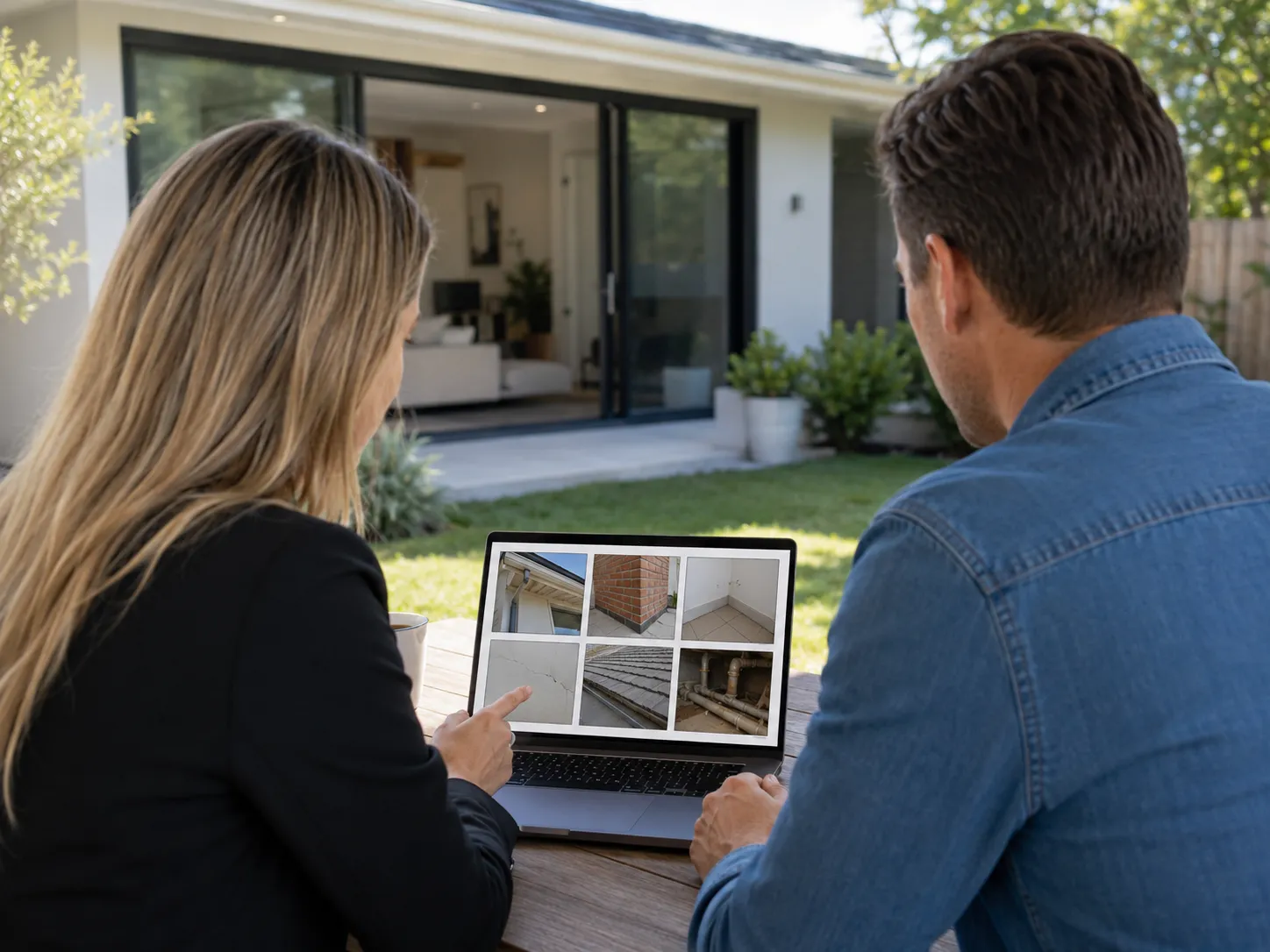
A building and pest inspection report summarises the inspector's findings, the areas assessed and any limitations that affected the inspection. Buyers should pay close attention to descriptions of defects, their level of significance and recommendations for additional investigation. Terms such as “major defect”, “safety hazard”, “active termite activity” or “further specialist assessment recommended” can indicate issues that require closer attention before proceeding.
The report should be considered alongside the property's age, condition and likely maintenance requirements. Not every listed defect is a reason to walk away, but findings may affect the property's value, repair costs or suitability. Where the report is unclear or recommends additional investigation, buyers should seek appropriate professional advice rather than making assumptions. Understanding common building and pest inspection red flags can make it easier to identify findings that deserve further investigation before proceeding with a purchase.
Common Red Flags
Some findings deserve closer attention because they may indicate substantial repair costs or ongoing risks. Beware of these red flags:
- Structural cracking: Cracks in brickwork, foundations or internal walls, when accompanied by uneven floors or sticking doors and windows, may indicate movement requiring further assessment.
- Moisture and water damage: Persistent dampness, water staining, swollen timber, mould or high moisture readings can point to leaks, drainage problems or waterproofing failures.
- Termite activity: Live termites, mud leads, damaged timber or evidence of previous infestation may require treatment and ongoing management.
- Poor drainage: Water pooling near foundations, inadequate falls or damp subfloor areas can contribute to structural deterioration and increase termite risk.
- Extensive timber decay: Rot, fungal decay or widespread borer damage can compromise timber elements and lead to costly repairs.
- Recommendations for further investigation: References to structural engineers, invasive testing or specialist inspections should not be overlooked, as they indicate the issue could not be fully assessed within the standard inspection.
Can a Building and Pest Inspection Help You Negotiate the Purchase Price?
Yes, a building and pest inspection can provide useful evidence when negotiating the purchase price of a property in NSW. If the report identifies structural defects, termite activity, water damage or other costly issues, buyers can use the findings to reassess what they are prepared to pay and factor potential repair costs into their offer.
The inspection does not automatically entitle a buyer to a price reduction and minor maintenance issues may have little influence on negotiations. However, defects supported by the inspection report and repair quotes can provide a stronger basis for requesting a lower price, asking the vendor to complete specific repairs or adjusting the offer to reflect the property's condition.
The inspection findings can also be considered alongside the property's market value, condition and potential future costs. This helps ensure any negotiation is based on the property's overall position rather than simply the presence of defects.
What to Do If Problems Are Found
The next step depends on the severity of the findings. Minor maintenance issues may simply need to be budgeted for, while structural or pest problems may require specialist advice before deciding whether to proceed.
A practical approach is to:
- Review the report carefully. Separate minor maintenance issues from structural, moisture or pest problems. Pay attention to recommendations for additional investigation.
- Get specialist advice where necessary. Cracking, structural movement, extensive water damage or termite activity may require assessment by a builder, structural engineer or pest specialist. Their advice can help clarify the extent of the problem and potential repair costs. Where termite activity requires treatment or further assessment, buyers should consider engaging a licensed pest management technician.
- Consider the financial impact. Obtain repair quotes where possible and factor immediate repairs and future maintenance into the overall cost of the property.
- Decide whether to negotiate. Depending on the findings and the terms of the purchase, buyers may request a price reduction, ask the vendor to complete specific repairs or adjust their offer to reflect the property's condition.
- Check contractual deadlines. If the inspection was completed before exchange, during a building and pest condition or within a cooling-off period, buyers should understand their rights and obligations before taking action. Legal advice may be appropriate where defects or contract decisions are involved.
The goal is not to find a property with no defects but to understand the risks before committing to the purchase.
A building and pest inspection is an important part of due diligence when buying property in NSW. It can uncover structural defects, moisture issues, pest activity and other concerns that could affect the property's condition, value and future maintenance costs. These findings can help buyers decide whether to proceed, negotiate or reconsider the purchase.
BMC Buyers Agency understands the value of informed property decisions. By working with reputable inspectors and considering the report, buyers can turn technical findings into practical decisions about repairs, negotiations and long-term costs, giving them greater confidence before committing to a property.
Ready to take the first step?
Contact BMC Buyers Agency today and embark on your property journey with us.

