
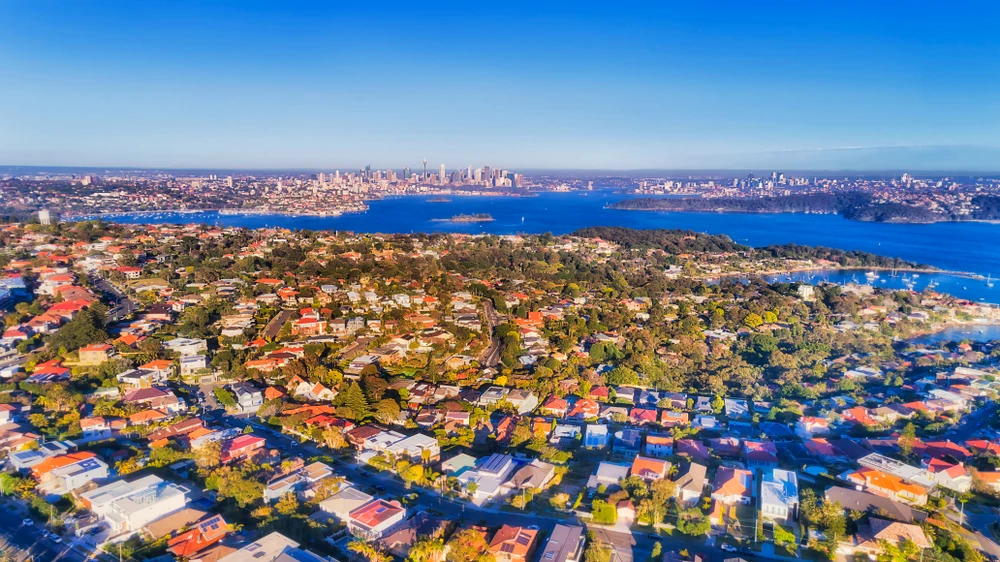
Should You Buy Property in Sydney Now? Market Trends Explained
Sydney’s property market is shifting again, and many buyers are asking the same question: is now the right time to purchase, or is it better to wait? At BMC Buyers Agency, we are seeing changes in prices, supply and buyer sentiment across different suburbs and property types that are not always obvious in the headlines. Understanding these movements is essential for anyone considering a home or investment in Sydney because timing strategy and suburb choice can significantly affect long-term results.
In this article, we explore current price trends, auction performance and stock levels, along with what current interest rate settings mean for borrowing power and competition. Readers will see how conditions vary between houses and apartments in inner-city locations and outer suburbs and between owner-occupier and investor activity. By the end, buyers will have a clearer view of where the Sydney market sits in its cycle, what the key risks and opportunities look like right now and how informed decisions today can influence both lifestyle outcomes and future capital growth.
What Is Happening in the Sydney Property Market Right Now?
Sydney’s property market appears to be in a recovery and consolidation phase rather than a clear boom or sharp downturn. Prices have recovered from the 2022 decline and, in many suburbs, values remain strong, supported by limited supply, population growth and relatively resilient buyer demand despite higher interest rates.
Buyers are still facing competitive conditions in many quality pockets of Sydney, but the market is not moving uniformly across the city. Different segments and locations are performing differently, which is why careful suburb and asset selection remains so important.
Prices Are Holding Firm With Pockets of Strong Growth
Recent market conditions suggest Sydney dwelling values have generally been holding firm, with houses often outperforming units in established family suburbs. Premium and middle-ring areas with good schools, transport and lifestyle infrastructure continue to attract strong demand as buyers prioritise liveability and long-term growth potential.
In contrast, some high-density unit markets, including parts of the CBD, Parramatta and selected inner south and south-west pockets, can show more mixed performance. In these areas, factors such as higher supply, investor concentration or concerns about building quality may affect price growth and rental performance, which is important for investors to assess carefully on a suburb-by-suburb basis.
Low Stock and Population Growth Are Driving Competition
One of the defining features of the current Sydney market is relatively low listing volume. Many existing owners remain cautious about selling because moving into a more expensive property often means taking on a much larger mortgage at today’s rates. This can keep quality stock off the market and intensify competition for the homes that do come up for sale.
At the same time, Sydney continues to benefit from strong underlying population growth, supported by overseas migration and ongoing demand tied to employment and education hubs. This tends to place continued pressure on both the rental market and selected purchase markets, particularly in areas with strong transport links and established infrastructure.
For investors, this has supported tight rental conditions in many suburbs, with low vacancy in a number of locations and rents remaining elevated enough to partly offset higher interest costs. For home buyers, it reinforces the importance of being ready to act when the right property appears and having finance properly organised beforehand.
Interest Rates Are Affecting Borrowing Power but Have Not Stopped the Market
Higher interest rates have reduced borrowing capacity, which has removed some of the excess momentum seen during the pandemic boom. Buyers are generally more price sensitive and more focused on what repayments look like over the next few years rather than stretching to the maximum amount they can borrow.
Even so, the large wave of forced sales that many expected has not broadly occurred. Many borrowers appear to be adjusting by tightening household budgets, extending loan terms where possible or compromising on location or property type rather than selling under pressure.
For anyone considering buying now, the practical impact is that finance remains tighter than it was a few years ago, but competition for well-located, high-quality assets is still strong. The market is rewarding buyers who understand their genuine borrowing capacity, know where value still exists and are realistic about trade-offs between location, property type and budget.
Are Prices Expected to Rise or Fall?
In the near term, many analysts still expect Sydney prices to remain resilient, although outcomes are likely to vary by suburb and asset type. While many forecasts still point to modest gains over the next 12 to 24 months, views are not completely uniform, and the outlook remains sensitive to interest rates, borrowing conditions and listing volumes.
For buyers, this means waiting for a major city-wide drop may not be the most realistic strategy. Instead, the more practical question is which locations and asset types are likely to perform better, which parts of the market are more exposed to stagnation and how to avoid overpaying in a competitive environment.
Factors That Could Push Prices Higher
Several structural factors continue to place upward pressure on Sydney prices. Population growth remains strong by historical standards, which supports rental demand and, over time, can also support purchasing demand. Vacancy rates remain tight in many parts of Sydney, which has contributed to rising rents and improved rental yields compared with earlier years.
Construction costs have also increased significantly over recent years, and many projects have been delayed, redesigned or cancelled. This has limited the flow of new housing supply, especially in parts of Sydney where development is already constrained. At the same time, many existing owners are hesitant to sell unless they achieve strong prices, which helps keep listings relatively tight.
These conditions can support gradual price growth, particularly in established suburbs with good transport, services and lifestyle appeal where new supply is more difficult to deliver. In many cases, these areas are seen as better placed than speculative fringe locations, although performance still varies between suburbs and property types.
What Could Cause Prices To Stall Or Dip
There are still clear risks that could slow or temporarily reverse price growth. A further unexpected rise in interest rates, tighter lending standards or a weakening labour market could reduce borrowing power and buyer confidence. A meaningful increase in unemployment would also raise the risk of financial stress and more distressed listings in certain segments.
Price growth is already more subdued in some higher-density apartment pockets, especially where there is elevated supply, investor concentration or concerns about building quality. In these locations, flat growth or minor price declines are more plausible even if the broader Sydney median remains resilient.
For buyers, the key takeaway is that Sydney as a whole may continue to show resilience, but outcomes are likely to vary widely by suburb and asset type. That makes careful research and disciplined asset selection more important than broad market headlines.
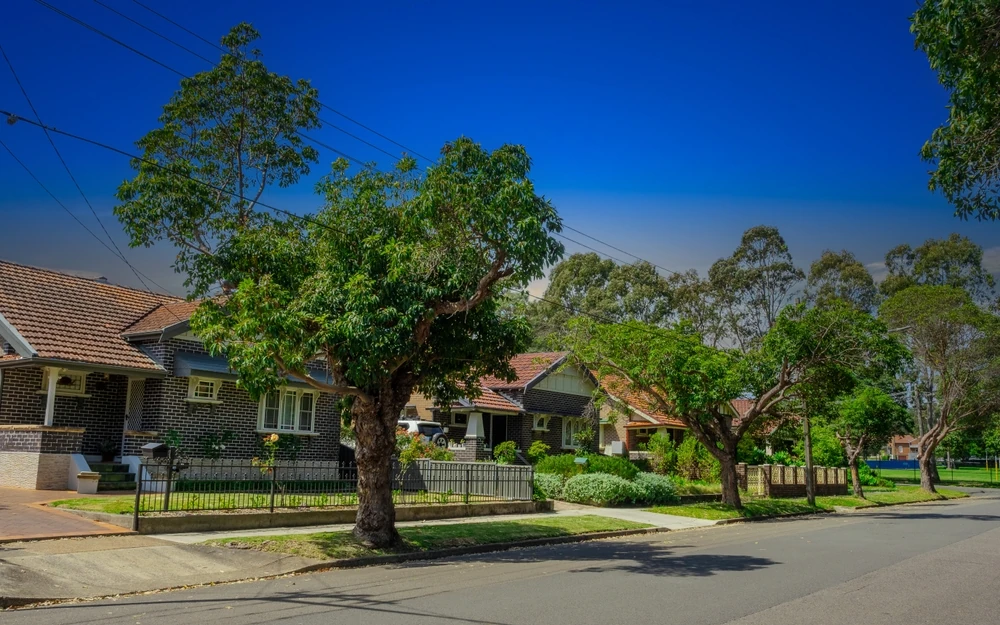
Key Factors Influencing Buyer Decisions (Interest Rates, Supply, Demand)
Sydney buyers are weighing up whether to act now or wait based largely on interest rates, available stock and the level of competition they are facing. Understanding how these three factors interact is critical when deciding whether now is the right time to buy and what type of strategy makes the most sense.
A professional buyer’s agent typically assesses these factors suburb by suburb because Sydney-wide headlines often mask very different conditions in different locations.
Interest Rates and Borrowing Power
Interest rates directly influence how much a bank will lend and how high monthly repayments will be. After a sharp rate-rising cycle, many buyers have seen their borrowing power reduced, which has changed what and where they can realistically afford to buy.
For an owner-occupier, even a small rate movement can change borrowing capacity by tens of thousands of dollars. That may mean the difference between buying a house or a townhouse in some middle-ring suburbs, or between securing a two-bedroom or one-bedroom unit closer to the CBD. Investors also feel the impact through higher holding costs, which can make some negatively geared properties harder to carry.
When rates remain high or uncertain, some buyers step back or delay their purchase. That can reduce competition in some segments, but it can also discourage potential sellers from listing if they are unsure what they can afford to buy next.
Supply: Listings and New Construction
Supply in Sydney is shaped by how many existing owners decide to sell and how many new dwellings are completed. At present, many parts of Sydney appear to be experiencing relatively tight listing volumes, particularly for quality family homes in established suburbs.
Low supply means buyers are often competing for a small number of suitable properties, which can keep prices resilient even when rates rise. Renovated freestanding homes near transport, schools and lifestyle amenities, for example, often continue to attract strong interest. By contrast, some higher-density apartment precincts with a large amount of near-new stock can present more balanced conditions.
Demand: Population Growth and Buyer Sentiment
Sydney’s long-term population growth continues to underpin housing demand. Overseas migration, international students, local household formation and interstate movement all place pressure on both the rental and purchase markets, especially in suburbs with strong access to employment, education and transport.
Buyer sentiment also plays a major role. When auction results improve and media coverage turns more positive, more buyers often enter the market at once, which can quickly lift competition. When sentiment softens, buyers who remain active may find more room to negotiate or access better opportunities, including off-market stock.
A professional buyer’s agent will often track indicators such as days on market, auction clearance rates and the number of active bidders to gauge whether buyers or sellers currently hold more leverage in a specific area.
Who Should Consider Buying Now?
This stage of the Sydney cycle will not suit every buyer, but it does present opportunities for certain groups. The right time to buy is rarely about picking the exact bottom of the market. More often, it is about matching personal finances and long-term plans with current market conditions.
For some buyers, waiting may only increase their overall costs through rising rents, stronger competition or the risk of being priced out of preferred suburbs. For others, a period of saving, reducing debt or refining their strategy may put them in a much stronger position later.
Upgraders and Long‑Term Owner Occupiers
Homeowners looking to upgrade within Sydney can sometimes benefit in softer or patchy markets. If price growth is uneven, the gap between the value of their current property and the next one may become more manageable.
When buying and selling in the same market, what often matters most is the difference between the two properties rather than the overall state of the market. A buyer may sell in a steady market but still benefit if the more expensive property they are targeting has become better value relative to previous peak conditions.
Long-term owner-occupiers who plan to hold for 10 years or more are generally less exposed to short-term market fluctuations. For these buyers, it can make sense to act when a suitable property becomes available rather than waiting for a theoretically better entry point. The focus should remain on securing a quality asset in a well-supported location.
Investors Seeking Yield and Structural Demand
Investors with solid buffers and pre-approved finance may find opportunities in periods of uncertainty, particularly where rental markets remain tight and competition is less intense than in boom conditions.
In many parts of Sydney, rental pressure has improved gross yields relative to previous years, although holding costs remain higher because of interest rates. Some well-positioned investors may be able to use this environment to secure assets with good long-term fundamentals, particularly where there is diversified tenant demand and constrained future supply.
The key is to focus on suburbs with multiple employment drivers, broad tenant appeal and limited risk from large pipelines of similar new stock. Stronger investment decisions are usually based on fundamentals rather than short-term hype.
First Home Buyers with Stable Income and Savings
First-home buyers are heavily affected by interest rate settings, but many are also dealing with rapidly rising rents. Those with stable employment, genuine savings and a realistic borrowing limit may find that entering the market now gives them greater certainty and protects them from future competition.
Government incentives can also make a difference, including stamp duty relief and other assistance where eligible. Even so, first-home buyers should remain conservative about what they borrow and prioritise livability, transport access and long-term suitability over purely aspirational postcodes.
Risks to Consider Before Making a Move
Before purchasing in Sydney, buyers need to understand the downside as clearly as the upside. The city has strong long-term fundamentals, but that does not remove the risk of overpaying, taking on too much debt or buying the wrong kind of asset.
A sound strategy involves stress testing the decision against different scenarios, including higher repayments, temporary vacancy, unexpected maintenance or slower than expected price growth.
Interest Rate and Repayment Risk
The most immediate risk for many Sydney buyers is affordability pressure if rates rise again or remain elevated for longer than expected. Even a relatively modest increase can add a meaningful amount to monthly repayments on a Sydney-sized mortgage.
Buyers should assess their repayments at a rate comfortably above their current loan offer and make sure they can still meet repayments alongside everyday living costs, strata, council rates, insurance and maintenance. This is especially important for first-home buyers and investors with tighter cash flow.
It is also wise to consider refinancing risk. If property values flatten or income does not grow as expected, borrowers may have fewer options in the future, which can increase financial pressure.
Overpaying in a Competitive Market
Sydney is well known for emotionally charged auctions and competitive private treaty campaigns, and this can lead buyers to pay more than a property is objectively worth. Overpaying can reduce future returns and make it harder to move on if circumstances change within a few years.
The real risk is focusing too much on securing the property and not enough on fair value. A disciplined buyer should rely on recent comparable sales, local market context and the specific strengths and weaknesses of the property to set a clear limit.
Asset Selection and Location Risk
Not all Sydney properties perform equally. Choosing the wrong asset type or location can significantly affect both capital growth and rental demand.
High-rise investor stock with high strata costs, limited scarcity and a large number of similar dwellings can be more vulnerable during weaker periods. Properties with poor layouts, heavy road exposure, flood risk or limited natural light may also underperform because future buyers tend to be selective.
Investors should also be cautious in suburbs with large supply pipelines or narrow demand drivers. Careful due diligence on infrastructure, demographics, planning changes and local demand remains essential.
Final Verdict: Is Now the Right Time for You?
For many buyers in Sydney, there is no perfect time in the market, only a right time in their own circumstances. The current environment still favours well-prepared buyers with strong finances and a long-term outlook, but it will not suit everyone equally.
Rather than asking simply, “Is now good or bad?” it is more useful to decide whether current conditions align with your budget, risk tolerance and time horizon. The focus should be on matching your strategy to the current cycle rather than trying to pick the absolute bottom or top.
When It Is Sensible To Buy Now
Buying now may make sense for buyers with stable income, a clear long-term timeframe and the ability to comfortably service repayments even if rates remain elevated or rise again. In that situation, waiting can sometimes increase the risk of being priced out of better suburbs or missing suitable opportunities in tightly held markets.
Upgraders and investors with equity may also be in a relatively strong position. They can often act more decisively and target quality areas such as established school zones, key transport corridors and tightly held inner-ring or coastal suburbs where long-term scarcity is more pronounced.
First-home buyers may also benefit from entering the market now if they are flexible on location and property type. Accepting a smaller property or a less central suburb can be a practical way to enter the market rather than waiting for ideal conditions that may not arrive.
When Waiting Or Adjusting Strategy Is Wiser
Buying now may be less suitable for anyone stretching to their maximum borrowing limit or relying on a quick fall in rates to make the numbers work. If approval depends on optimistic assumptions about future income, bonuses or rent increases, a more cautious approach is usually wiser.
Buyers who expect to hold for only a short period, such as three to five years, may also be better off waiting or reassessing. Transaction costs in Sydney are substantial, and shorter ownership periods reduce the ability to absorb market fluctuations.
How to Assess Your Timing
In practice, the right answer is personal rather than generic. The key is to work through three core filters: financial readiness, lifestyle goals and comfort with risk under different market scenarios.
If those three areas align and a suitable property can be purchased at fair value in a quality location, then now may well be the right time to buy. If one or more of those areas is weak, the smarter move may be to adjust the brief, strengthen the financial position or wait with a clear plan in place.
At the same time, higher interest rates, changing borrowing capacity, tight rental conditions and shifting buyer sentiment have made the Sydney market more complex and uneven across suburbs and asset types. Some segments appear more vulnerable to underperformance, while others continue to show solid long-term fundamentals.
For pragmatic investors and home buyers, this environment can still present opportunity. If your finances are stable, your time horizon is long and you are focused on fundamentals rather than headlines, there are still quality assets to be found in Sydney. But it is not a market for guesswork, generic hotspot lists or emotionally driven decisions. It requires clarity on your goals, rigorous property selection, an understanding of local micro-markets and disciplined negotiation based on evidence rather than momentum.
If you are weighing up whether to act now or wait, focus less on trying to time the absolute bottom or peak and more on whether you can buy a high-quality asset in a quality location on terms your budget can comfortably sustain. When those factors line up, waiting can carry its own cost. When they do not, patience and preparation are often the wiser choice. The Sydney market will continue to move in cycles, but well-chosen properties bought with a disciplined strategy tend to reward good decisions made in imperfect conditions.
Ready to take the first step?
Contact BMC Buyers Agency today and embark on your property journey with us.

