
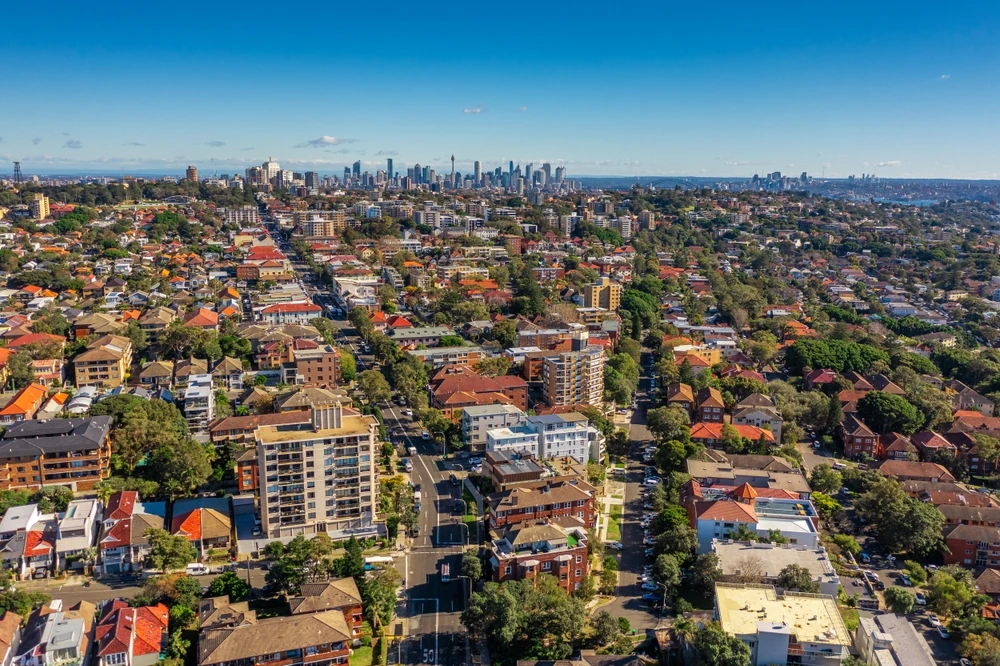
How Rezoning and New Transport Projects Are Changing Sydney Property Prices
Rezoning decisions and major transport projects are reshaping Sydney’s property landscape. From new metro lines and upgraded rail corridors to increased housing density around key stations, planning changes are influencing buyer demand, development potential and property values across the city.
In this article, BMC Buyers Agency explores how these shifts may influence prices on the ground, which suburbs are attracting closer attention and where buyers and investors need to tread carefully. Readers will gain a clearer understanding of how rezoning can change development potential, how improved transport links influence demand and why some areas respond more quickly in price than others. The article also outlines the practical implications for home buyers and investors, including how a buyers agent in Sydney may assess planning proposals, infrastructure announcements and suburb-level risk when identifying genuine long-term opportunity.
Why Rezoning and Transport Projects Affect Property Prices
Rezoning and new transport projects can significantly influence property values because they change both what can be built on land and how easily people can access key parts of the city. Buyers, investors and developers often respond to these changes well before construction is finished, which means prices can begin to shift ahead of the physical transformation itself.
In Sydney, these effects are rarely spread evenly across an entire suburb. Some streets or pockets benefit more than others depending on walkability, land size, existing housing stock, noise exposure and the exact planning controls that apply. Understanding those differences is important for buyers who want to avoid overpaying in heavily hyped locations and focus instead on areas where future value is supported by real planning and infrastructure change.
How Rezoning Changes Land Value
Rezoning can directly change the economic potential of land. When an area shifts from low-density residential to medium- or high-density zoning, it can allow more dwellings on a site, greater height or a broader mix of uses. That can increase what developers may be willing to pay, which may in turn place upward pressure on surrounding land values.
This uplift is rarely uniform. Properties on larger blocks, corner sites or wider streets may benefit more because they are easier to redevelop and can better accommodate planning requirements such as access, setbacks and parking. By contrast, properties just outside a rezoned boundary may see less benefit and, in some cases, may be affected by increased traffic, overshadowing or a loss of privacy if nearby density increases.
Rezoning can also change the buyer pool. As development interest increases, owner-occupiers can find it harder to compete for certain sites, while some long-term investors may choose to sell once they feel much of the uplift has already been recognised. Over time, this can reshape local demographics, rental demand and the type of housing stock that defines the suburb.
How Transport Projects Shift Demand
New or upgraded transport links can change how buyers view a location by improving access to employment hubs, education centres and lifestyle precincts. In a city like Sydney, where commuting time plays a major role in housing decisions, a faster or more reliable trip can strengthen demand in some locations.
Transport projects often affect property values in several ways. They can widen the realistic commuting catchment for major employment centres, support higher-density planning around stations and encourage more local services such as cafes, childcare, retail and public domain upgrades. These changes can improve liveability and may also strengthen long-term desirability.
Even so, not every property near new infrastructure benefits equally. Immediate adjacency to rail corridors, major roads or construction zones can bring downsides such as noise, traffic, reduced parking and prolonged disruption. In many cases, the strongest price performance is seen in walkable pockets that remain close to a station without sitting directly on top of the busiest transport or road interfaces.
Timing and Market Expectations
Markets usually respond to rezoning and infrastructure change in stages rather than all at once. Early price movement can begin when a project is formally announced and appears likely to proceed. Further uplift can occur when plans become more detailed, approvals progress and construction clearly moves from concept to delivery.
That does not mean all future benefit is guaranteed or that every announcement leads to lasting price growth. In some Sydney locations, speculative interest can run ahead of realistic gains, especially when buyers focus on headlines rather than the finer details of timing, planning controls and supply. This is why disciplined buyers need to assess how much of the expected uplift may already be reflected in the current asking price.
The Key Sydney Projects Driving Change
Several major transport and rezoning initiatives are helping reshape Sydney’s property landscape and are influencing where buyer demand appears to be strengthening. Areas connected to improved rail, road and town centre planning often attract more attention because they offer the prospect of better amenity, stronger accessibility and additional housing or development capacity over time.
However, these projects do not affect every surrounding suburb in the same way or at the same pace. The greatest impact is often seen where infrastructure meaningfully improves access to major employment centres or where planning changes allow more valuable housing forms within walking distance of stations and activity hubs.
Sydney Metro West and Metro City & Southwest
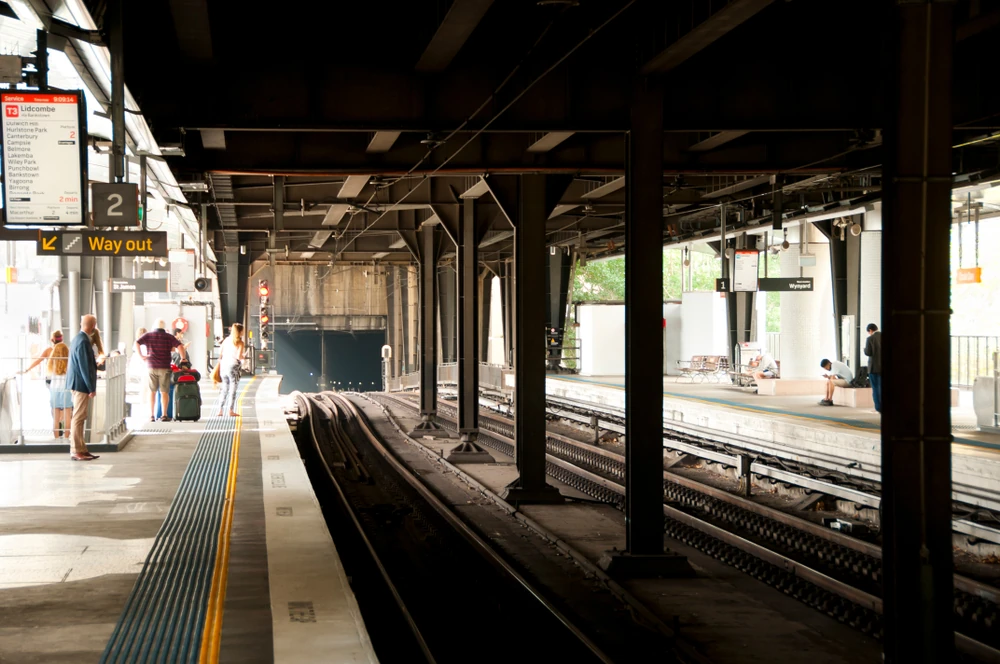
Sydney Metro is one of the most significant transport investments shaping residential markets over the coming decade. Metro West is expected to improve connections between the CBD and Parramatta, with stations planned at key locations including Pyrmont, Five Dock, Burwood North, North Strathfield, Sydney Olympic Park, Parramatta and Westmead. Areas around these future stations are already attracting attention, particularly where transport improvements coincide with planning changes that support townhouses, apartments or mixed-use development.
This combination of improved accessibility and greater development potential can influence land values, and in some cases may later flow through to townhouse and apartment prices as new stock is delivered. In some precincts, well-located older houses or boutique residential sites may attract stronger interest because of their redevelopment appeal.
The City & Southwest component, including the Sydenham to Bankstown corridor, is also influencing buyer and investor focus. In these areas, station precinct planning and increased development attention are changing how some buyers view long-term potential, although outcomes still depend heavily on the exact planning controls, the quality of the existing housing stock and how much future supply is likely to enter the market.
Which Suburbs Are Seeing Price Movement and Why
Across Sydney, some of the more noticeable price shifts often occur where transport improvements and planning reform intersect. Buyers are not only paying for existing amenity, but also for what a suburb may become over the next five to ten years as infrastructure and redevelopment take shape.
Two patterns are commonly emerging. The first is stronger interest around new or upgraded rail and motorway links that improve access to major destinations. The second is increased attention on areas included in state housing targets, station precinct rezonings or broader urban renewal strategies that expand development capacity.
That said, these changes do not automatically translate into uniform suburb-wide growth. Some pockets within the same suburb may benefit from better accessibility and streetscape improvements, while others may be affected by oversupply, construction disruption or reduced amenity. Buyers therefore need to look beyond suburb headlines and assess change at a much more local level.
Metro and Rail Corridors: North West, West and South West
Suburbs along major metro and rail corridors have already shown how infrastructure can influence pricing and buyer behaviour. Areas such as Kellyville, Bella Vista and Rouse Hill saw strong interest as stations opened and surrounding land use shifted toward mixed-use and medium-density outcomes. Similar attention is building around parts of the Metro West corridor, where improved future access to the CBD and Parramatta appears to be shaping buyer expectations.
In the south-west, the Bankstown metro conversion and related precinct planning have increased attention on a number of station suburbs. Some locations appear to be attracting stronger interest from investors and developers where planning changes may support more intensive housing or mixed-use outcomes. Even so, the extent of likely uplift varies between precincts depending on how advanced the planning process is, what type of housing is expected and how much additional stock may come to market over time.
Opportunities and Risks for Buyers
Rezoning and new transport links can create genuine upside for buyers, but they can also introduce risk. Understanding how these changes affect property values helps buyers position themselves more carefully and avoid paying a premium for the wrong asset in the wrong location.
The opportunity lies in identifying areas where improved accessibility, better amenity and realistic planning uplift may support demand over time. The risk lies in assuming that every announcement will lead to sustained growth, or that every property in a changing suburb will benefit equally.
Key Opportunities Created by Rezoning and Transport
One of the clearest potential opportunities is capital growth linked to improved accessibility. New metro or rail infrastructure can strengthen buyer and tenant demand in walkable pockets around stations, particularly where daily travel becomes faster and more reliable. Well-located houses and quality apartments in these areas can perform well over the long term, although outcomes still vary within the same suburb.
Rezoning can also create value where land becomes more suitable for future redevelopment. Detached houses on larger blocks within newly uplifted residential zones may attract interest from smaller developers or owner-builders, particularly if the planning controls make medium-density housing more feasible. Buyers who secure these properties before the market fully prices in that potential may benefit from rental income and longer-term land value uplift, although results will depend on timing, location and planning detail.
Even so, the best outcomes usually come from sites with practical development appeal rather than simply a favourable headline zoning label. Lot shape, frontage, access, surrounding uses and the broader supply pipeline all influence how much real benefit a site may offer.
Major Risks Buyers Need to Manage
The biggest risk is overpaying based on future expectations that are uncertain, delayed or already reflected in current prices. Market excitement can build quickly around a new station or rezoning proposal, and buyers who enter too late may pay a premium well before any meaningful local improvement is delivered.
Higher-density zoning can also reduce amenity for some properties. Increased traffic, parking pressure, overshadowing and busier streets can affect liveability and resale appeal, especially for smaller or poorly positioned lots. A property that appears well located on a zoning map may, in practice, end up next to a loading area, access road or large apartment interface.
Construction disruption is another issue that is often underestimated. Major infrastructure works can affect access, noise, parking and short-term buyer sentiment for years. That can place temporary pressure on rents or resale conditions, particularly for buyers who may need to refinance or sell before the surrounding project is complete.
How to Assess Growth Potential Before You Buy
Before buying in an area affected by rezoning or transport change, it is important to separate genuine long-term growth potential from short-term excitement. That means looking beyond the headline project and assessing how the planning and infrastructure changes will actually affect demand, supply and day-to-day liveability in the immediate area.
A sound assessment usually starts with practical questions. What can really be built on the site? Who is likely to want to live there in the future? How much new supply is likely to be delivered nearby? And how long will it take before any of the forecast change meaningfully improves the area?
Understand the Planning Controls in Detail
The starting point is to examine the Local Environmental Plan and Development Control Plan applying to the suburb and the specific property. Rezoning headlines often refer to broad precincts, but actual value is shaped by the detailed controls affecting each lot.
Important checks include the zoning itself, permitted uses, floor space ratio, maximum building height, minimum lot size and frontage requirements. A site that shifts from low-density to medium-density zoning with improved development controls may become significantly more attractive than a neighbouring street that remains unchanged.
These details matter because two properties within the same suburb can have very different development potential. Buyers should therefore focus on the exact controls rather than assuming all land in a rezoned area will benefit equally.
Analyse Supply Pipeline Not Just Demand Drivers
New train lines, metro stations and road upgrades can lift demand, but they often unlock new housing supply at the same time. Growth potential is often stronger where demand is increasing faster than the volume of new dwellings that can realistically be delivered.
This is why buyers should assess the broader supply pipeline, not just the appeal of the infrastructure itself. If a large volume of new apartments is planned within a station precinct, existing units may face more competition and weaker capital growth than expected. By contrast, established houses in tightly held streets just outside the main redevelopment core may benefit from improved transport while facing less direct supply pressure.
Looking at the likely housing mix also matters. A precinct dominated by high-rise delivery may behave very differently from one where planning changes favour townhouses, duplexes or low-rise apartment forms.
Check Liveability Improvements and Demographic Shifts
Transport and rezoning changes only translate into durable price growth if they improve everyday liveability and attract a stronger or broader buyer pool over time. Buyers should consider whether the area is likely to become more convenient, more walkable and better serviced, rather than simply more densely built.
Key factors include reduced commute times, new retail and community facilities, school access, public domain upgrades and the overall quality of the streetscape. Demographic change also matters. Areas that begin attracting more professionals, families or higher-income households often see stronger competition and more resilient long-term price support than places where growth is driven mainly by construction activity.
Long-term opportunities are often stronger where planning reform and infrastructure investment combine with genuine lifestyle improvement, rather than where prices are being driven mainly by speculation.
Sydney’s property market is being reshaped by the combined effects of rezoning and transport infrastructure, and these changes are influencing where demand, development interest and future value are concentrating. Better connectivity, higher-density planning and precinct renewal can create genuine opportunity, but the benefits are rarely spread evenly across all suburbs or property types.
For buyers and investors, the real advantage lies in understanding what has been approved, what is funded, what remains speculative and how those changes affect specific streets and assets rather than relying on broad suburb hype. Some locations may benefit from improved amenity, stronger accessibility and limited competition, while others may face oversupply, prolonged disruption or weaker-than-expected growth.
The most effective approach is to focus on the quality of the asset, the exact planning controls, the likely supply pipeline and the real liveability of the location once the surrounding change is delivered. Sydney will continue to evolve as new projects come online and further rezonings are announced, but buyers who assess these signals carefully are generally better placed to make informed decisions grounded in long-term fundamentals rather than short-term excitement.
Ready to take the first step?
Contact BMC Buyers Agency today and embark on your property journey with us.

