

Buying A Tenanted Home When You Want To Live In It
A home can tick almost every box and still leave one important question unanswered: when can you actually move in? If tenants remain in a property you are considering, its layout, condition and location are only part of the buying decision. The timing of vacant possession also needs careful consideration.
For owner-occupiers in Sydney, buying a tenanted property means weighing the home's appeal against the possibility of a delayed move. Understanding the tenancy arrangements, potential costs and available alternatives can help buyers decide before committing to a purchase.
When Could I Actually Move Into a Tenanted Home?
The expected tenant departure date is only one part of the assessment. The existing tenancy, proposed purchase contract and applicable NSW requirements all influence when a property may become available for occupation.
Before committing, buyers should distinguish between information provided by the selling agent and details verified by a solicitor or licensed conveyancer. This helps establish whether the proposed timing is realistic and whether the property suits the buyer's housing needs.
A Lease End Date Is Not a Confirmed Moving Date
A lease end date may appear convenient, specifically if it falls shortly before settlement. However, that date alone does not confirm when the property will be vacant or establish that the buyer can move in as planned.
NSW Fair Trading’s guidance on ending a tenancy explains the grounds, notice requirements and supporting documents that may apply.
Ask the selling agent what documentation supports the expected departure date. Is it based solely on the tenancy agreement, or have other arrangements been discussed or documented? Statements that tenants are planning to leave or should be out by settlement should be treated as information to verify rather than a guarantee.
A solicitor or licensed conveyancer can review the relevant documents and explain the legal position. Keeping written records of the information provided also helps identify unanswered questions before an offer becomes a binding commitment.
Settlement and Vacant Possession Are Different Milestones
Settlement is the process through which the purchase is completed. Vacant possession concerns whether the property is available for the buyer to occupy without existing occupants remaining. The two milestones should not be treated as interchangeable.
The purchase contract needs to be reviewed carefully to establish the agreed possession arrangements. Buyers should not assume that becoming the owner automatically ends an existing tenancy or gives them the right to move in immediately.
Before arranging removalists, ending a current lease or scheduling deliveries, ask a legal adviser to explain the proposed contract terms and any remaining uncertainty about possession. The key consideration is whether the property will be available when the buyer needs it, not simply when ownership transfers.
Have a Qualified Professional Assess the Tenancy Position

A solicitor or licensed conveyancer should review the current tenancy agreement, proposed purchase contract and relevant tenancy requirements before the buyer commits. This assessment can help establish what needs to happen before the property can be occupied and whether the intended timeline is achievable.
Buyers should ask for clarification on several points:
- What does the current tenancy agreement say about the occupants' rights and the tenancy arrangements?
- Is the property being sold subject to the existing tenancy?
- What notices or other documents are relevant to the proposed vacancy date?
- What possession arrangements are included in the purchase contract?
- What legal or practical uncertainties could affect the intended moving date?
The buyer's actual housing deadline should be explained early in the process. If the current accommodation ends on a fixed date, the legal adviser needs to understand that constraint when assessing the proposed purchase.
Any missing documentation or unresolved question should remain part of the decision. An estimated vacancy date is not the same as a legally supported and practical plan for occupation.
The Cost of Waiting for a Home You Cannot Use Yet
A delayed move can make an otherwise affordable purchase more expensive. Buyers need to consider the costs of owning a property they cannot yet occupy alongside any additional expenses associated with their current living arrangements.
The financial impact depends on how long the delay lasts, whether the buyer has somewhere to stay and how much flexibility exists in the household budget. Preparing a contingency budget can help establish whether the purchase remains manageable if the expected timeline changes.
Temporary Accommodation and a Possible Second Move
Buyers who can remain comfortably in their current accommodation may have more flexibility if the property takes longer to become available. Those facing a fixed departure date may need to arrange temporary accommodation, store belongings and organise two separate moves.
These additional expenses can accumulate alongside ownership costs. Depending on the circumstances, buyers may also face overlapping housing payments, storage fees and changes to work or family routines. ASIC’s Moneysmart recommends including mortgage repayments, council rates, utilities and maintenance when budgeting for ongoing ownership costs.
A practical contingency budget should account for:
- Temporary accommodation if the move is delayed.
- Storage fees and additional removalist expenses.
- Ongoing costs associated with the property being purchased.
- Existing housing payments that continue during the delay.
- A financial buffer for a longer-than-expected waiting period.
Buyers should compare the estimated costs against the funds available rather than relying solely on the anticipated moving date. First-home buyers may also benefit from reviewing budgeting mistakes to avoid before purchasing when assessing the broader financial commitment.
Rental Income Does Not Remove Ownership Responsibilities
If tenants remain after settlement, rental income may help offset some ownership expenses. However, it should not automatically be treated as sufficient to cover every cost associated with the property or the buyer's temporary living arrangements.
The expected rental income, ongoing expenses and responsibilities of the tenancy need to be considered together. Buyers should also confirm how the proposed arrangement affects their finance and insurance.
Speak with the lender or mortgage broker about any relevant finance conditions and inform the insurer of the property's intended use and occupancy arrangements. A solicitor or licensed conveyancer can clarify the existing tenancy and explain the relevant legal considerations.
Any rental income included in the budget should be based on verified information, with enough accessible funds available to cover accommodation and moving expenses if circumstances change. This helps prevent an uncertain vacancy date or rental arrangement from undermining the affordability of the purchase.
Delayed Access Can Affect Plans for the Home
Uncertain possession can also delay preparations for moving in. Buyers may need to measure rooms, arrange furniture deliveries, plan renovations or organise trades before the property is ready for occupation.
Access during an existing tenancy should not be assumed. Buyers should ask the selling agent about possible arrangements and have their legal adviser clarify any relevant requirements. Access requests may need to be coordinated with the occupants and availability may be limited.
If renovations or other work must be completed before the home can be occupied, the potential delay could affect contractor bookings and the overall moving schedule. Furniture deliveries and other arrangements may also need to remain flexible until access is confirmed.
Planning around verified arrangements rather than hoped-for dates can reduce unnecessary expenses and disruption.
When Should I Keep Looking for Another Property?
A tenanted property is worth pursuing only if its appeal and likely path to occupation suit the buyer's circumstances. A desirable layout or location does not necessarily compensate for an uncertain moving date.
The decision should account for three factors: how well the property meets the buyer's needs, how much financial and practical uncertainty is manageable and whether other suitable properties are available.
Separate the Home's Appeal From the Certainty of Access
Start by identifying the features that make the property appealing, such as its location, layout, price or proximity to work and essential services. Assess these benefits separately from the tenancy arrangements.
Next, distinguish between what has been documented, what a legal adviser has verified and what remains uncertain about occupation. This prevents enthusiasm for a property from turning an optimistic estimate into an assumed moving date.
A home can be an excellent match on paper but a poor practical choice if it cannot be occupied within the required timeframe. Buyers should also consider whether the fear of missing out is influencing their willingness to accept uncertainty or stretch their budget.
Reading about how buying pressure can lead to overpaying may help buyers recognise when urgency is affecting their decisions.
Match the Possible Wait to Actual Housing Needs
Buyers should establish their limits before negotiations become emotionally charged. These include the latest date they can comfortably remain in their current accommodation, the additional costs they can absorb and the level of disruption they are prepared to accept.
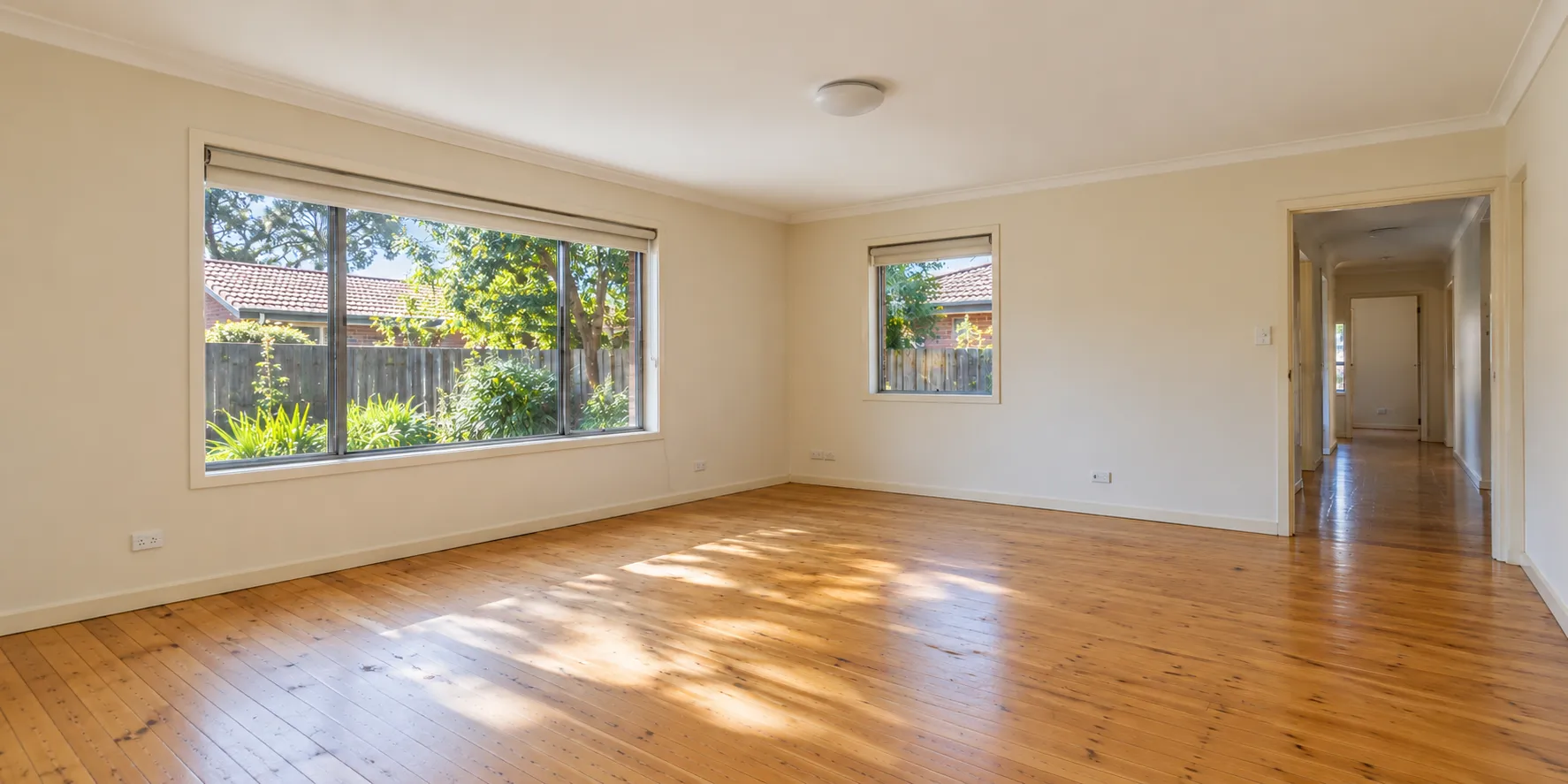
Someone with flexible accommodation and sufficient savings may be able to investigate a property despite some unresolved timing questions. A buyer whose current lease ends on a fixed date may need a more certain and legally supported path to occupation before proceeding.
Neither situation is inherently right or wrong. The important consideration is whether the remaining uncertainty is manageable given the buyer's circumstances.
If the purchase only works financially or practically when every timing assumption goes according to plan, it may be worth pausing. A legal adviser can explain what can be established before commitment and which uncertainties cannot be eliminated.
Keep Vacant Alternatives in the Search
Continue comparing other suitable properties while tenancy questions are being resolved. A vacant property may offer a more straightforward path to moving in, although buyers should still check the purchase contract and possession arrangements rather than relying on the property's advertised status alone.
Working with a buyers advocate in Sydney can help buyers compare properties against their budget, preferred location and occupancy requirements. BMC Buyers Agency can assist with evaluating suitable options and identifying questions to raise with the selling agent, while legal advice about tenancy arrangements and possession remains the responsibility of a solicitor or licensed conveyancer.
When comparing properties, consider the total practical commitment rather than the purchase price alone. Include likely waiting expenses, the flexibility of the moving arrangements and the information available about when the property can be occupied.
A property that initially seems less appealing may be the better choice if it offers a more workable path to moving in.
Making Decisions About a Tenanted Property
Buying a tenanted property can be a suitable option for some owner-occupiers, but the expected moving date should never be the only basis for the decision. Reviewing the tenancy arrangements, understanding the purchase contract and preparing for possible delays can help buyers assess whether the property meets their actual needs.
BMC Buyers Agency can compare suitable properties and evaluate how each option fits their housing priorities. With planning and legal advice, buyers can decide whether to proceed with a tenanted property or continue searching for a home that better suits their timeline.
Ready to take the first step?
Contact BMC Buyers Agency today and embark on your property journey with us.

